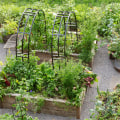
In recent years, the concept of a sustainable garden has gained significant traction among environmentally conscious individuals. This approach not only emphasizes the aesthetic appeal of gardening but also prioritizes the health of our planet. By adopting sustainable garden practices, gardeners can create vibrant spaces that contribute to energy conservation and biodiversity. These practices are essential in mitigating the adverse effects of climate change and promoting a healthier ecosystem. One of the primary benefits of sustainable gardening is its focus on energy conservation.
Traditional gardening methods often rely heavily on fossil fuels and chemical inputs, which can lead to increased carbon emissions and environmental degradation. In contrast, sustainable gardening encourages the use of renewable resources, such as rainwater harvesting and solar energy, to minimize energy consumption. By implementing these practices, gardeners not only reduce their ecological footprint but also lower their utility bills. Moreover, sustainable gardening fosters a deeper connection between individuals and nature. It encourages the use of native plants, organic fertilizers, and natural pest control methods, which can enhance soil health and promote biodiversity.
As gardeners embrace these eco-friendly techniques, they contribute to a more resilient environment while enjoying the numerous benefits that come with cultivating a sustainable garden.
Implementing Efficient Water Management Techniques
Water management is a crucial aspect of sustainable garden practices, as it not only conserves energy but also ensures that plants receive the necessary hydration without wasting resources. Implementing efficient water management techniques can significantly reduce water usage while promoting a healthier garden ecosystem.Drip Irrigation
One of the most effective methods for conserving water in gardens is drip irrigation. This technique delivers water directly to the roots of plants through a network of tubing and emitters, minimizing evaporation and runoff. Here are some benefits of drip irrigation:- Targeted Watering: Water is applied directly where it’s needed, reducing waste.
- Reduced Weeds: By limiting water to specific areas, weed growth is minimized.
- Improved Plant Health: Consistent moisture levels promote stronger root systems and healthier plants.
Rainwater Harvesting
Another sustainable practice is rainwater harvesting, which involves collecting and storing rainwater for later use in the garden.This method not only conserves municipal water supplies but also reduces stormwater runoff. Here are some key points about rainwater harvesting:
- Cost-Effective: Utilizing free rainwater can lower your water bills.
- Environmental Benefits: Reduces the demand on local water sources and helps prevent erosion.
- Diverse Uses: Collected rainwater can be used for irrigation, washing tools, or even filling bird baths.
Utilizing Renewable Energy Sources
Incorporating renewable energy sources into your garden not only enhances sustainability but also reduces your carbon footprint. Two of the most popular options for gardeners are solar energy and wind energy.Solar Energy in Gardening
Solar panels can be a game-changer for powering various garden tools and systems.By installing solar panels, you can harness the sun's energy to:
- Power irrigation systems: Automated drip irrigation systems can be powered by solar energy, ensuring your plants receive consistent watering without relying on grid electricity.
- Run garden lights: Solar-powered lights can illuminate pathways and highlight features in your garden, enhancing its beauty while being energy-efficient.
- Charge tools: Many gardeners use battery-operated tools. Solar chargers can keep these batteries powered, reducing the need for traditional electricity.
Wind Energy for Gardens
If you live in an area with consistent wind, consider installing a small wind turbine. These turbines can generate electricity to:- Power pumps: Wind energy can be used to power water pumps for ponds or fountains, creating a serene atmosphere in your garden.
- Support greenhouse operations: Use wind-generated electricity to maintain optimal temperatures and humidity levels in your greenhouse.
Choosing Native and Drought-Resistant Plants
One of the most effective sustainable garden practices is the selection of native and drought-resistant plants.These plants are well-adapted to the local climate and soil conditions, which means they require significantly less water and maintenance compared to non-native species. By choosing plants that naturally thrive in your area, you not only conserve water but also promote local biodiversity.
Benefits of Native Plants:
- Water Efficiency: Native plants are adapted to local rainfall patterns, making them more resilient during dry spells.
- Low Maintenance: These plants typically require less fertilization and pest control, reducing the need for chemical inputs.
- Biodiversity Support: Native plants provide essential habitats and food sources for local wildlife, including pollinators like bees and butterflies.
Drought-Resistant Gardening:
Drought-resistant plants are specifically selected for their ability to survive with minimal water. Incorporating these plants into your garden can significantly reduce your overall water usage. Some popular drought-resistant options include:
- Lavender: This aromatic herb thrives in dry conditions and attracts pollinators.
- Sedum: A succulent that stores water in its leaves, making it perfect for xeriscaping.
- Echinacea (Coneflower): Known for its vibrant blooms, it is both drought-tolerant and beneficial for pollinators.
- Research Local Flora: Investigate which native species are best suited for your specific region.
- Group Plants Wisely: Planting native and drought-resistant species together can create a cohesive ecosystem that thrives on minimal resources.
- Utilize Mulch: Applying mulch around your plants helps retain moisture in the soil, further reducing the need for watering.
Implementing Composting and Organic Practices
Implementing composting and organic gardening practices is a cornerstone of creating a sustainable garden.These methods not only reduce waste but also significantly enhance soil health, leading to a more resilient and productive garden ecosystem.
Benefits of Composting
- Reduces Waste: Composting diverts organic waste from landfills, minimizing methane emissions and reducing the overall carbon footprint.
- Nutrient-Rich Soil: Compost enriches the soil with essential nutrients, improving its structure and fertility, which in turn supports healthy plant growth.
- Water Retention: Well-composted soil retains moisture better, reducing the need for frequent watering and conserving water resources.
- Pest and Disease Resistance: Healthy soil promotes strong plants that are more resistant to pests and diseases, decreasing the need for chemical interventions.
Organic Gardening Practices
Incorporating organic practices into your gardening routine further enhances sustainability. Here are some effective strategies:
- Crop Rotation: Rotating crops helps prevent soil depletion and reduces pest buildup, leading to healthier plants and less reliance on synthetic fertilizers.
- Mulching: Applying organic mulch conserves moisture, suppresses weeds, and adds nutrients back into the soil as it decomposes.
- Natural Pest Control: Utilizing beneficial insects and natural repellents minimizes the need for chemical pesticides, promoting a balanced ecosystem.
Creating Efficient Garden Layouts
Creating an efficient garden layout is essential for maximizing energy conservation in a sustainable garden. By applying permaculture principles, gardeners can design spaces that work harmoniously with nature, reducing the need for external resources.One of the key aspects of energy-efficient garden design is the strategic placement of plants to optimize sunlight exposure.For instance, taller plants can be positioned on the north side of the garden to provide shade for shorter plants, thus minimizing water evaporation and protecting delicate species from harsh afternoon sun. This thoughtful arrangement not only conserves energy but also enhances plant health.Another effective method is companion planting, which involves growing different plants in proximity for mutual benefit. Certain combinations can naturally deter pests, reduce the need for chemical interventions, and improve soil health. For example, planting marigolds alongside vegetables can repel harmful insects while attracting beneficial pollinators.
This synergy not only promotes biodiversity but also leads to a more resilient garden ecosystem.Additionally, incorporating pathways and zones within the garden can help manage resources more efficiently. Designating areas for specific plant types—such as herbs, vegetables, and flowers—allows for better water management and reduces competition for nutrients. Utilizing mulch in these zones can further retain moisture and regulate soil temperature, contributing to overall energy savings.In summary, by focusing on garden design for energy efficiency, utilizing permaculture principles, and implementing companion planting strategies, gardeners can create a thriving sustainable garden that conserves energy and resources effectively.
Incorporating Technology for Energy Efficiency
In the quest for a sustainable garden, incorporating technology can significantly enhance energy efficiency. By leveraging smart gardening technology, gardeners can optimize their practices and reduce resource consumption.Smart Irrigation Systems
- Automated irrigation systems are designed to deliver water precisely when and where it is needed.
These systems utilize sensors to monitor soil moisture levels, ensuring that plants receive adequate hydration without overwatering.
- Many smart irrigation systems can be programmed to adjust watering schedules based on weather forecasts, which helps conserve water and energy.
- Some advanced models even connect to your smartphone, allowing you to control and monitor your garden's irrigation remotely.
Garden Management Apps
- Garden management apps provide a comprehensive platform for tracking plant health, growth patterns, and resource usage. By analyzing this data, gardeners can make informed decisions that promote sustainability.
- These apps often include features such as reminders for watering, fertilizing, and pest control, which can help prevent wasteful practices.
- Some applications also offer tips on energy-efficient gardening techniques tailored to your specific climate and plant types.
FAQs About Energy Conservation in Sustainable Gardens
When it comes to sustainable garden practices, many gardeners have questions about how to effectively conserve energy. Here are some frequently asked questions that can help you implement energy-saving techniques in your garden.What are some simple energy conservation tips for gardeners?
- Use native plants: Native plants are adapted to the local climate and require less water and maintenance, reducing the energy needed for irrigation and upkeep.
- Implement rainwater harvesting: Collecting rainwater in barrels can significantly cut down on the energy used for watering your garden.
- Opt for solar-powered garden lights: These lights harness solar energy, reducing electricity consumption while illuminating your garden at night.
- Mulch your garden: Applying mulch helps retain soil moisture, which means less frequent watering and lower energy use.
How can I create a more eco-friendly garden?
- Compost organic waste: Composting not only reduces waste but also provides nutrient-rich soil, minimizing the need for chemical fertilizers that require energy to produce.
- Practice crop rotation: This method improves soil health and reduces pest infestations, leading to less reliance on pesticides and herbicides.
- Install a greenhouse: A greenhouse can extend the growing season, allowing you to grow food with less energy input compared to traditional methods.
What are the best practices for maintaining a sustainable garden?
- Use efficient irrigation systems: Drip irrigation systems deliver water directly to the plant roots, minimizing evaporation and runoff.
- Choose energy-efficient tools: When selecting gardening tools, look for battery-operated or manual options that consume less energy than gas-powered alternatives.
- Create windbreaks: Planting trees or shrubs as windbreaks can reduce heating costs in colder months by protecting your garden from harsh winds.
Remember, every small change contributes to a larger impact on our environment.
Conclusion: Embracing Sustainable Practices for a Greener Future
In conclusion, adopting sustainable garden practices is essential for conserving energy and promoting a healthier environment. By implementing the methods discussed throughout this article, gardeners can significantly reduce their energy consumption while enhancing the overall vitality of their gardens. One of the most impactful strategies is the use of native plants, which require less water and maintenance, thereby reducing the energy needed for irrigation and upkeep. Additionally, incorporating composting not only enriches the soil but also minimizes the need for chemical fertilizers, which often require substantial energy to produce and transport. Utilizing rainwater harvesting systems can further conserve energy by reducing reliance on municipal water supplies. This practice not only saves energy but also helps in managing stormwater runoff effectively.Moreover, implementing permaculture principles can create a self-sustaining ecosystem that requires minimal external inputs, thus lowering energy expenditure. Furthermore, integrating solar-powered garden lights and tools can significantly cut down on electricity usage while providing necessary illumination and functionality. These small changes collectively contribute to a more sustainable gardening approach. Ultimately, embracing these sustainable garden practices not only benefits individual gardeners but also contributes to a larger movement towards environmental stewardship. By making conscious choices in our gardening methods, we can foster a greener future for generations to come. It is time to take action and implement these practices in our own gardens, ensuring that we play our part in conserving energy and protecting our planet.