In an era where environmental concerns are at the forefront of global discussions, sustainable garden practices have emerged as a vital approach to cultivating our green spaces. Sustainable gardening is not merely a trend; it represents a commitment to nurturing the earth while producing food and beauty in our backyards. By integrating eco-friendly techniques, gardeners can create thriving ecosystems that support biodiversity, conserve resources, and reduce waste. At its core, sustainable gardening emphasizes the use of natural processes and materials to enhance plant growth and soil health. This method contrasts sharply with conventional gardening practices that often rely on synthetic chemicals and non-renewable resources.
By adopting sustainable practices, gardeners can minimize their ecological footprint and contribute to a healthier planet. The benefits of sustainable gardening extend beyond environmental impact; they also include improved soil quality, increased resilience against pests and diseases, and the promotion of local wildlife. As we delve deeper into the significance of using non-toxic materials in a sustainable garden, it becomes clear that these choices are not just beneficial for the environment but also for our health. By avoiding harmful chemicals, we create safer spaces for ourselves, our families, and our pets. Understanding the principles of sustainable gardening is essential for anyone looking to make a positive impact through their gardening efforts.
The Role of Non-Toxic Materials in Sustainable Gardening
In the realm of sustainable gardening practices, the use of non-toxic materials plays a pivotal role in fostering a healthy ecosystem.Non-toxic materials are those that do not contain harmful chemicals or pollutants, making them safe for both the environment and human health. By incorporating these materials into your garden, you not only promote plant growth but also contribute to the overall well-being of local wildlife and soil health.One of the primary benefits of using non-toxic materials is their ability to enhance soil quality. Organic compost, for instance, is a non-toxic amendment that enriches the soil with essential nutrients while improving its structure. This leads to better water retention and aeration, creating an ideal environment for plants to thrive.
Types of Non-Toxic Materials
- Organic Mulch: Made from natural materials like wood chips or straw, organic mulch helps retain moisture and suppress weeds without introducing harmful substances into the soil.
- Natural Fertilizers: Products such as bone meal, fish emulsion, and seaweed extract provide essential nutrients without the risk of chemical runoff.
- Pest Control Solutions: Non-toxic options like neem oil or insecticidal soap can effectively manage pests while being safe for beneficial insects and pollinators.
Many non-toxic materials are sourced sustainably, minimizing environmental impact. For example, biodegradable pots made from coconut coir or recycled paper are excellent alternatives to plastic pots, which contribute to landfill waste.In conclusion, integrating non-toxic materials into your sustainable garden not only supports plant health but also promotes a balanced ecosystem. By choosing eco-friendly options, gardeners can cultivate a thriving environment that benefits both nature and their gardening endeavors.
Benefits of Using Non-Toxic Materials
Utilizing non-toxic materials in a sustainable garden offers a multitude of benefits that extend beyond mere aesthetics. One of the most significant advantages is the positive impact on human health.Traditional gardening practices often involve the use of harmful chemicals and pesticides, which can lead to health issues for gardeners and their families. By opting for non-toxic alternatives, you create a safer environment, reducing the risk of exposure to harmful substances.Moreover, non-toxic materials contribute to the overall health of the ecosystem. When you use eco-friendly gardening products, you minimize the risk of contaminating local water sources and harming wildlife. This is particularly important for pollinators like bees and butterflies, which are essential for plant reproduction.
By fostering a safe habitat for these creatures, you promote biodiversity and support the natural balance of your garden.
Soil Health Improvement
Another key benefit of using non-toxic materials is the enhancement of soil health. Chemical fertilizers can degrade soil quality over time, leading to nutrient depletion and reduced microbial activity. In contrast, organic compost and natural amendments enrich the soil, promoting a thriving ecosystem beneath the surface. Healthy soil not only supports robust plant growth but also improves water retention and reduces erosion.Environmental Impact
The environmental impact of using non-toxic materials cannot be overstated.By choosing eco-friendly options, you actively participate in reducing pollution and conserving resources. Non-toxic gardening practices often involve sustainable methods, such as crop rotation and companion planting, which further enhance soil fertility and reduce pest problems without relying on synthetic chemicals.In summary, adopting non-toxic materials in your sustainable garden leads to numerous benefits, including improved human health, enhanced soil quality, and a positive environmental impact. These practices not only create a beautiful garden but also contribute to a healthier planet for future generations.
Common Non-Toxic Materials for Sustainable Gardens
Creating a sustainable garden involves the careful selection of materials that not only support plant health but also protect the environment. Here’s a list of common non-toxic materials that can enhance your gardening practices:- Organic Fertilizers: These include compost, worm castings, and well-rotted manure.
They enrich the soil with essential nutrients without introducing harmful chemicals.
- Natural Pest Control: Utilize methods such as neem oil, diatomaceous earth, and insecticidal soap. These options effectively manage pests while being safe for beneficial insects and the ecosystem.
- Biodegradable Mulch: Materials like straw, wood chips, or shredded leaves can suppress weeds and retain moisture in the soil. As they decompose, they also add organic matter back into the earth.
- Eco-Friendly Garden Supplies: Look for tools made from sustainable materials, such as bamboo or recycled metals. These tools are durable and reduce your carbon footprint.
- Natural Weed Barriers: Instead of synthetic fabrics, consider using cardboard or newspaper layers to suppress weeds while allowing water and nutrients to penetrate the soil.
- Non-Toxic Seed Treatments: Choose seeds that are untreated or coated with natural substances like clay or organic compounds to promote healthy germination without harmful chemicals.
Each choice you make in your gardening journey can lead to significant environmental benefits, making it essential to prioritize non-toxic options.
Implementing Non-Toxic Practices in Your Garden
Implementing non-toxic practices in your garden is essential for promoting a healthy ecosystem and ensuring the safety of your plants, pets, and family. Here are some effective strategies to incorporate sustainable gardening practices using non-toxic materials:- Choose Organic Seeds and Plants: Start with organic seeds and plants that are grown without synthetic pesticides or fertilizers. This ensures that your garden is free from harmful chemicals right from the beginning.
- Utilize Natural Fertilizers: Instead of chemical fertilizers, opt for natural alternatives such as compost, worm castings, or well-rotted manure. These not only nourish your plants but also improve soil health.
- Implement Companion Planting: Use companion planting techniques to naturally deter pests.
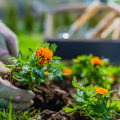
For example, planting marigolds alongside vegetables can help repel harmful insects without the need for toxic pesticides.
- Create Homemade Pest Solutions: Make your own pest control solutions using ingredients like soap, garlic, or neem oil. These natural remedies can effectively manage pests while being safe for the environment.
- Practice Mulching: Apply organic mulch such as straw, wood chips, or grass clippings around your plants. Mulching helps retain moisture, suppress weeds, and enrich the soil as it decomposes.
- Water Wisely: Use drip irrigation or soaker hoses to minimize water waste and reduce the risk of fungal diseases.
- Encourage Beneficial Insects: Attract pollinators and predatory insects by planting a variety of flowers and herbs. This promotes biodiversity and helps control pest populations naturally.
- Avoid Plastic Products: Choose biodegradable or reusable gardening tools and materials to reduce plastic waste in your garden.
Remember, every small change counts towards a more sustainable future!
Case Studies: Successful Non-Toxic Gardens
Exploring real-life examples of successful non-toxic gardens can provide valuable insights into the benefits of sustainable garden practices. These case studies not only highlight the effectiveness of using non-toxic materials but also inspire others to adopt similar methods.1.The Urban Oasis Project
Located in the heart of a bustling city, the Urban Oasis Project transformed a vacant lot into a thriving community garden. By utilizing non-toxic materials such as organic compost, natural pest repellents, and rainwater harvesting systems, this garden has become a model for urban sustainability. The project has successfully increased local biodiversity and provided fresh produce to the community, demonstrating that even small spaces can yield significant environmental benefits.2.The Eco-Friendly Homestead
This family-run homestead in the countryside showcases how sustainable garden practices can be integrated into daily life.They use non-toxic fertilizers made from kitchen scraps and plant companion species to naturally deter pests. Their commitment to organic gardening has resulted in a flourishing ecosystem that attracts pollinators and beneficial insects, proving that eco-friendly gardening can lead to both productivity and ecological health.
3.The School Garden Initiative
A local school implemented a garden initiative that emphasizes non-toxic gardening techniques. Students learn about sustainable practices by engaging in hands-on activities such as planting, composting, and pest management without harmful chemicals. This initiative not only educates young minds about environmental stewardship but also fosters a sense of community as families come together to maintain the garden.These case studies illustrate that adopting non-toxic materials in gardening not only enhances the health of the environment but also promotes community engagement and education.By showcasing successful examples, we can encourage more gardeners to embrace sustainable practices, leading to a greener future for all.
FAQs About Non-Toxic Materials in Sustainable Gardening
When it comes to creating a sustainable garden, many gardeners have questions about the use of non-toxic materials. Here are some frequently asked questions that can help clarify this important topic.What are non-toxic materials in gardening?
Non-toxic materials refer to substances that do not contain harmful chemicals or pollutants. These materials are safe for both the environment and human health. Examples include organic fertilizers, natural pest repellents, and biodegradable mulch.Why should I use non-toxic materials in my garden?
Using non-toxic materials is essential for promoting a healthy ecosystem.They help maintain soil health, protect beneficial insects, and reduce the risk of chemical runoff into local waterways. Additionally, non-toxic practices contribute to a safer environment for children and pets who may play in the garden.
Are non-toxic gardening practices effective?
Yes, non-toxic gardening practices can be highly effective. Many organic methods have been proven to control pests and diseases while enhancing soil fertility. For instance, companion planting can naturally deter pests, while composting enriches the soil without synthetic additives.How can I identify non-toxic products?
- Look for certifications: Products labeled as organic or certified by reputable organizations are often non-toxic.
- Read ingredient lists: Familiarize yourself with common harmful chemicals and avoid products containing them.
- Research brands: Many companies specialize in eco-friendly gardening supplies; check their websites for product information.
Can I transition to non-toxic gardening gradually?
Absolutely! Transitioning to a sustainable garden using non-toxic materials can be done gradually.Start by replacing one product at a time, such as switching from chemical fertilizers to organic options. Over time, you can incorporate more eco-friendly practices into your gardening routine.By addressing these common questions, gardeners can better understand the importance of using non-toxic materials in their sustainable gardening efforts. This knowledge not only enhances their gardening experience but also contributes positively to the environment.
Conclusion: Embracing Non-Toxic Materials for a Greener Future
In conclusion, the integration of non-toxic materials into sustainable garden practices is not merely a trend but a vital step towards fostering a healthier environment. By choosing materials that are free from harmful chemicals, gardeners can significantly reduce their ecological footprint while promoting biodiversity.The benefits of using non-toxic materials extend beyond environmental health; they also enhance personal well-being.Gardens that utilize organic compost, natural pest deterrents, and eco-friendly fertilizers create a safer space for families and pets. This approach not only minimizes exposure to toxic substances but also encourages a deeper connection with nature.Moreover, adopting these practices can lead to improved soil health and increased resilience against pests and diseases. Non-toxic materials often enrich the soil with essential nutrients, promoting robust plant growth and yielding healthier produce. This is particularly important in an era where food safety is paramount.As we move towards a more sustainable future, it is crucial for gardeners to embrace non-toxic materials as part of their gardening philosophy.
By doing so, we contribute to a larger movement that prioritizes environmental stewardship and public health.Ultimately, the choice to use non-toxic materials in our gardens reflects our commitment to sustainability. It empowers us to cultivate spaces that are not only beautiful but also beneficial for the planet and future generations. Let us take this opportunity to lead by example and inspire others to adopt sustainable garden practices that prioritize safety and sustainability.