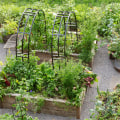
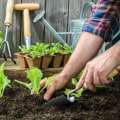
In recent years, the concept of sustainable gardening has gained significant traction as more individuals and communities recognize the importance of environmentally friendly practices. A sustainable garden is not just a trend; it represents a holistic approach to gardening that prioritizes ecological balance, resource conservation, and the health of our planet. By integrating sustainable garden practices, gardeners can cultivate their plants while minimizing their environmental footprint, ensuring that future generations can enjoy the beauty and benefits of nature. At the heart of sustainable gardening lies the use of natural fertilizers, which play a crucial role in enriching soil health without the adverse effects associated with synthetic alternatives. These organic options not only provide essential nutrients to plants but also enhance soil structure, promote biodiversity, and support beneficial microorganisms.
As we delve deeper into the world of sustainable gardening, it becomes clear that adopting these practices is not merely beneficial for our gardens but is also a vital step towards fostering a healthier ecosystem. The benefits of sustainable gardening extend beyond individual gardens; they contribute to broader environmental goals such as reducing pollution, conserving water, and promoting biodiversity. By choosing to implement natural fertilizers and other sustainable practices, gardeners can actively participate in combating climate change and preserving natural resources. This section will explore how these practices can be effectively integrated into your gardening routine, paving the way for a flourishing and resilient garden that thrives in harmony with nature.
What Are Natural Fertilizers?
Natural fertilizers are organic substances derived from plant or animal matter that enrich the soil and promote healthy plant growth. Unlike synthetic fertilizers, which are chemically manufactured, natural fertilizers work in harmony with the ecosystem, enhancing soil health and biodiversity.There are several types of natural fertilizers, each offering unique benefits:- Compost: Decomposed organic matter that improves soil structure, moisture retention, and nutrient availability.
- Manure: Animal waste that provides essential nutrients like nitrogen, phosphorus, and potassium.
It also enhances microbial activity in the soil.
- Bone meal: A slow-release source of phosphorus and calcium, beneficial for root development and flowering plants.
- Fish emulsion: A liquid fertilizer made from fish byproducts, rich in nitrogen and trace minerals, promoting vigorous growth.
- Kelp meal: Derived from seaweed, it contains micronutrients and growth hormones that stimulate plant health and resilience.
Benefits of Using Natural Fertilizers in Sustainable Gardens
Utilizing natural fertilizers in a sustainable garden offers numerous benefits that contribute to both plant health and environmental well-being.One of the primary advantages is the enhancement of soil health. Natural fertilizers, such as compost, manure, and bone meal, enrich the soil with essential nutrients while improving its structure and water retention capabilities. This leads to a more robust ecosystem in the soil, fostering beneficial microorganisms that are crucial for nutrient cycling.Another significant benefit is the reduction of environmental impact. Unlike synthetic fertilizers, which can leach into waterways and cause pollution, natural fertilizers are less likely to contribute to such issues.
They promote a balanced nutrient release, minimizing the risk of runoff and ensuring that plants absorb nutrients effectively without overwhelming the ecosystem.Moreover, gardens that utilize natural fertilizers often see enhanced plant resilience. Plants grown with organic inputs tend to develop stronger root systems and improved resistance to pests and diseases. This resilience is partly due to the diverse range of nutrients provided by natural fertilizers, which support overall plant health and vigor.
- Improved Soil Health: Enriches soil with nutrients and enhances microbial activity.
- Environmental Sustainability: Reduces pollution and promotes eco-friendly practices.
- Plant Resilience: Strengthens plants against pests and diseases.
How to Incorporate Natural Fertilizers into Your Garden
Incorporating natural fertilizers into your garden is a vital aspect of sustainable garden practices.These fertilizers not only enrich the soil but also promote a healthy ecosystem. Here are some effective methods to apply them:
- Composting: Create a compost pile using kitchen scraps, yard waste, and other organic materials. This process transforms waste into nutrient-rich compost that can be added to your garden beds.
- Green Manures: Plant cover crops such as clover or vetch during the off-season. These plants fix nitrogen in the soil and can be tilled back into the ground to enhance soil fertility.
- Animal Manure: Use well-aged manure from herbivores like cows, horses, or chickens.
Ensure it is composted to eliminate pathogens and reduce the risk of burning plants.
- Bone Meal and Blood Meal: These are excellent sources of phosphorus and nitrogen, respectively. Apply them according to package instructions, usually at planting time or during the growing season.
This will help you choose the right type and amount of fertilizer needed for your specific garden conditions.Finally, always follow application guidelines to avoid over-fertilization, which can harm plants and lead to nutrient runoff. By integrating these practices, you can create a thriving garden that supports both plant health and environmental sustainability.
Types of Natural Fertilizers and Their Uses
Incorporating natural fertilizers into your sustainable garden practices not only enhances soil health but also promotes biodiversity. Here are some of the most effective types of natural fertilizers:- Compost: Compost is created by decomposing organic matter such as kitchen scraps, yard waste, and leaves. It enriches the soil with essential nutrients and improves its structure, promoting better water retention and aeration.
Using compost in your garden can lead to healthier plants and increased yields.
- Manure: Animal manure, particularly from herbivores like cows, horses, and chickens, is a rich source of nitrogen, phosphorus, and potassium. When well-composted, it can be safely applied to gardens to enhance soil fertility. However, it’s crucial to ensure that the manure is aged or composted to eliminate pathogens and reduce the risk of burning plants.
- Green Manure: Green manures are cover crops grown specifically to be tilled back into the soil. Plants like clover, vetch, and rye not only fix nitrogen but also improve soil structure and prevent erosion.
Incorporating green manures into your crop rotation can significantly boost soil fertility over time.
- Bone Meal: Bone meal is a slow-release fertilizer made from ground animal bones. It is particularly high in phosphorus, which is essential for root development and flowering. This natural fertilizer is ideal for use in planting bulbs or establishing new plants in your garden.
Common Mistakes to Avoid When Using Natural Fertilizers
When incorporating natural fertilizers into your sustainable garden practices, it's essential to be aware of common mistakes that can hinder your gardening success.Here are some pitfalls to avoid:
- Over-fertilizing: One of the most frequent errors is applying too much fertilizer. Natural fertilizers release nutrients more slowly than synthetic options, so it's crucial to follow recommended application rates. Over-fertilization can lead to nutrient runoff and harm beneficial soil organisms.
- Ignoring Soil Testing: Many gardeners skip soil testing, which is vital for understanding nutrient levels and pH balance. Without this knowledge, you may apply fertilizers that your plants don’t need, leading to imbalances and poor plant health.
- Neglecting Timing: The timing of fertilizer application is critical.
Applying natural fertilizers at the wrong time can result in nutrient loss due to leaching or can fail to meet the plants' needs during crucial growth stages. Always align your fertilization schedule with your plants' growth cycles.
- Using Inappropriate Types: Not all natural fertilizers are suitable for every plant. For instance, high-nitrogen fertilizers may be great for leafy greens but detrimental to flowering plants. Research the specific needs of your garden's flora before selecting a fertilizer.
- Failing to Incorporate Organic Matter: Relying solely on natural fertilizers without adding organic matter like compost can limit the benefits.
Organic matter improves soil structure, enhances moisture retention, and promotes microbial activity, all of which are essential for a thriving garden.
- Start Small: Begin with small amounts and observe how your plants respond before increasing application rates.
- Rotate Fertilizers: Use a variety of natural fertilizers to provide a broader spectrum of nutrients and prevent soil depletion.
- Monitor Plant Health: Regularly check your plants for signs of nutrient deficiency or excess, adjusting your fertilization practices accordingly.
Frequently Asked Questions About Natural Fertilizers in Sustainable Gardening
Natural fertilizers play a crucial role in sustainable garden practices, but many gardeners have questions about their use. Here are some frequently asked questions that can help clarify their benefits and applications.What are natural fertilizers?
Natural fertilizers are derived from organic sources, such as plant matter, animal waste, and minerals. Unlike synthetic fertilizers, they improve soil health and promote biodiversity in the garden ecosystem.How do natural fertilizers benefit sustainable gardening?
- Soil Health: They enhance soil structure, increase microbial activity, and improve nutrient retention.
- Environmental Impact: Natural fertilizers reduce the risk of water pollution and soil degradation associated with chemical fertilizers.
- Plant Growth: They provide essential nutrients in a slow-release form, promoting healthy plant growth without the risk of nutrient burn.
Can I make my own natural fertilizer?
Yes! Homemade natural fertilizers can be made from kitchen scraps, compost, or even manure. Common examples include:- Compost: A mixture of decomposed organic matter that enriches the soil.
- Banana Peels: Rich in potassium, they can be buried in the soil to boost nutrient levels.
- Coffee Grounds: These add nitrogen and improve soil texture when mixed into the garden bed.
Are there any downsides to using natural fertilizers?
While natural fertilizers are generally beneficial, they can have some downsides if not used properly:- Nutrient Imbalance: Over-relying on one type of natural fertilizer can lead to nutrient deficiencies or excesses.
- Pest Attraction: Some organic materials may attract pests if not managed correctly.
By addressing these common questions, gardeners can make informed decisions that enhance their gardening practices while supporting environmental health.
Conclusion: Embracing Natural Fertilizers for a Greener Future
In conclusion, the integration of natural fertilizers into your gardening practices is not just a trend but a vital step towards achieving a sustainable garden. By utilizing organic materials such as compost, manure, and green manures, gardeners can enhance soil health, promote biodiversity, and reduce reliance on synthetic chemicals that can harm the environment.Natural fertilizers contribute to a healthier ecosystem by:- Improving Soil Structure: Organic matter from natural fertilizers helps to create a rich, loamy soil that retains moisture and nutrients more effectively.
- Encouraging Microbial Activity: The use of natural fertilizers fosters a thriving community of beneficial microorganisms that are essential for nutrient cycling and plant health.
- Reducing Pollution: By avoiding chemical fertilizers, gardeners can minimize runoff that contaminates local waterways, thus protecting aquatic ecosystems.
Let us commit to making conscious choices that support sustainability and foster a greener world for generations to come.