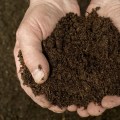
In an era where environmental concerns are at the forefront of global discussions, sustainable gardening has emerged as a vital practice for both amateur and professional gardeners alike. This approach not only emphasizes the importance of growing plants in a way that conserves resources but also promotes biodiversity and enhances the health of our ecosystems. By adopting sustainable garden practices, gardeners can contribute to a healthier planet while enjoying the numerous benefits that come from cultivating their own green spaces. Sustainable gardening is about more than just planting; it encompasses a holistic view of how we interact with our environment. It encourages the use of eco-friendly gardening techniques that minimize waste, reduce chemical usage, and promote soil health.
As we face challenges such as climate change, soil degradation, and loss of biodiversity, implementing sustainable practices in our gardens becomes increasingly crucial. These practices not only help mitigate environmental issues but also foster a deeper connection between individuals and nature. One key component of sustainable gardening is the use of mulch, which plays a significant role in enhancing garden health and efficiency. By understanding the principles behind sustainable gardening and the advantages of incorporating mulch, gardeners can create thriving ecosystems that support both plant growth and environmental stewardship. This article will delve into the various benefits of using mulch in sustainable gardens, illustrating how this simple yet effective practice can lead to more resilient and productive gardens.
What is Mulch and Its Types?
Mulch is a layer of material applied to the surface of soil in a garden or landscape.It serves multiple purposes, including moisture retention, temperature regulation, and weed suppression. By understanding the different types of mulch available, gardeners can make informed decisions that align with sustainable garden practices.
Types of Mulch
- Organic Mulch: This type of mulch is derived from natural materials and decomposes over time, enriching the soil. Common examples include:
- Bark Chips: These are often used in ornamental gardens and provide a decorative touch while suppressing weeds.
- Straw: An excellent choice for vegetable gardens, straw helps retain moisture and adds organic matter as it breaks down.
- Grass Clippings: A readily available option, grass clippings decompose quickly and provide nutrients to the soil.
- Compost: Not only does compost serve as mulch, but it also improves soil structure and fertility.
- Inorganic Mulch: Unlike organic options, inorganic mulches do not decompose and can last for several years. They are often used for their aesthetic appeal and durability.
Examples include:
- Rubber Mulch: Made from recycled tires, rubber mulch is long-lasting and effective at weed control.
- Gravel or Stone: These materials are ideal for pathways and decorative areas, providing excellent drainage while minimizing weed growth.
- Landscape Fabric: While not a traditional mulch, landscape fabric can be used under other mulches to enhance weed suppression.
Benefits of Using Mulch in Sustainable Gardens
Using mulch in a sustainable garden offers a multitude of benefits that contribute to both plant health and environmental sustainability. One of the primary advantages is moisture retention.Mulch acts as a barrier, reducing evaporation from the soil surface, which helps maintain consistent moisture levels. This is particularly beneficial during hot, dry spells, allowing plants to thrive with less frequent watering.Another significant benefit of mulch is its ability to suppress weeds. By covering the soil, mulch blocks sunlight from reaching weed seeds, preventing them from germinating. This not only reduces competition for nutrients and water but also minimizes the need for chemical herbicides, aligning with sustainable gardening practices.
Temperature regulation
is another key advantage of using mulch.It helps insulate the soil, keeping it cooler in the summer and warmer in the winter. This temperature moderation creates a more stable environment for plant roots, promoting healthier growth and resilience against temperature fluctuations.Furthermore, mulch contributes to soil health improvement. Organic mulches, such as wood chips or straw, decompose over time, adding valuable nutrients back into the soil. This process enhances soil structure and promotes beneficial microbial activity, which is essential for nutrient cycling and overall soil fertility.In summary, incorporating mulch into your sustainable garden practices not only supports plant health through moisture retention, weed suppression, and temperature regulation but also enriches the soil over time.
By choosing to use mulch, gardeners can create a more resilient ecosystem that thrives on natural processes.
How Mulch Contributes to Soil Health
Using mulch in a sustainable garden is a practice that significantly enhances soil health. Different types of mulch, such as wood chips, straw, and grass clippings, contribute organic matter to the soil as they decompose. This organic matter is crucial for improving soil structure, which in turn facilitates better water retention and aeration.Improving soil with mulch
goes beyond just adding nutrients. As mulch breaks down, it creates a rich environment for beneficial microorganisms.These microorganisms play a vital role in breaking down organic materials and making nutrients available to plants. The presence of these organisms can lead to a more vibrant and resilient ecosystem within the garden.
- Enhances Nutrient Availability: As mulch decomposes, it releases essential nutrients like nitrogen, phosphorus, and potassium into the soil.
- Improves Soil Structure: Organic mulches help bind soil particles together, creating a crumbly texture that improves drainage and root penetration.
- Promotes Microbial Activity: The decomposition process encourages the growth of beneficial bacteria and fungi that are essential for nutrient cycling.
By adding organic matter, improving soil structure, and promoting beneficial microorganisms, mulch serves as a cornerstone for creating a thriving garden environment.
Mulch as a Tool for Water Conservation
In the realm of sustainable garden practices, mulch serves as a vital component for water conservation. By creating a protective layer over the soil, mulch significantly reduces evaporation rates, ensuring that moisture remains available for plant roots. This is particularly important in regions where water scarcity is a concern, as it allows gardeners to maintain healthy plants while using less water.One of the primary benefits of using mulch is its ability to enhance moisture retention. Organic mulches, such as wood chips, straw, or grass clippings, not only help to keep the soil cool but also improve its structure over time.As these materials decompose, they contribute organic matter to the soil, which increases its capacity to hold water. This means that less frequent irrigation is needed, making your garden more resilient during dry spells.Moreover, mulch can improve irrigation efficiency. When water is applied to a mulched garden bed, it penetrates the soil more effectively rather than running off or evaporating quickly. This ensures that plants receive the moisture they need without excessive waste.
Additionally, by minimizing weed growth, mulch allows for better water absorption by reducing competition for moisture and nutrients.In summary, incorporating mulch into your sustainable gardening practices not only conserves water but also enhances soil health and plant vitality. By prioritizing moisture retention and irrigation efficiency, gardeners can create thriving ecosystems that are both productive and environmentally friendly.
Weed Control Through Mulching Techniques
One of the most significant benefits of using mulch in a sustainable garden is its ability to effectively suppress weed growth. Weeds compete with your plants for essential resources such as water, nutrients, and sunlight. By applying mulch, you create a barrier that inhibits weed germination and growth, leading to a healthier garden ecosystem.How Mulch Suppresses Weeds
- Light Blockage: Mulch acts as a physical barrier that blocks sunlight from reaching the soil surface.
Most weed seeds require light to germinate, so by covering the soil with mulch, you significantly reduce the chances of weeds sprouting.
- Soil Temperature Regulation: Mulch helps maintain consistent soil temperatures. This can be particularly beneficial in preventing the fluctuation that encourages weed seed germination.
- Moisture Retention: By retaining moisture in the soil, mulch reduces the need for frequent watering. This not only benefits your plants but also creates an environment less conducive to weed growth.
- Choose the Right Material: Organic mulches like wood chips, straw, or grass clippings not only suppress weeds but also enrich the soil as they decompose. Inorganic options like landscape fabric or gravel can also be effective but may not provide soil benefits.
- Apply Adequately: A layer of 2-4 inches of mulch is generally recommended for optimal weed suppression.
Too thin a layer may not be effective, while too thick can suffocate your plants.
- Regular Maintenance: Keep an eye on your mulch layer and replenish it as needed. Over time, organic mulches break down and may require topping up to maintain their effectiveness.
Choosing the Right Mulch for Your Sustainable Garden
When it comes to choosing mulch for your garden, several factors should be considered to ensure that your selection aligns with your sustainable garden practices. The right mulch not only enhances the aesthetic appeal of your garden but also contributes to its overall health and sustainability.Types of Mulch
- Organic Mulch: Materials such as wood chips, straw, grass clippings, and shredded leaves decompose over time, enriching the soil with nutrients.
They are excellent for improving soil structure and moisture retention.
- Inorganic Mulch: Options like gravel, stones, or landscape fabric do not decompose and can be effective for weed control. However, they do not contribute nutrients to the soil.
Climate Considerations
Your local climate plays a significant role in determining the best mulch for sustainability. For instance, in hot and dry regions, organic mulches can help retain moisture and keep soil temperatures stable. In contrast, in cooler climates, inorganic options may be more suitable as they do not break down and can provide a longer-lasting solution.Factors to Consider When Mulching
- Soil Type: Different soils have varying drainage capabilities.
Choose a mulch that complements your soil type to enhance its properties.
- Plant Needs: Consider the specific requirements of the plants in your garden. Some plants thrive with certain types of mulch that provide specific benefits.
- Aesthetic Appeal: The visual aspect of mulch can impact the overall look of your garden. Select a mulch that harmonizes with your garden's design.
- Sustainability Goals: Opt for locally sourced or recycled materials whenever possible to minimize environmental impact.
Common Misconceptions About Mulch in Gardening
When it comes to using mulch in a sustainable garden, several myths and misconceptions can cloud its benefits. Understanding these misconceptions is crucial for gardeners looking to implement effective sustainable garden practices.- Myth 1: Mulch attracts pests. Many believe that applying mulch invites unwanted insects and rodents.
In reality, mulch can deter pests by creating a barrier and providing habitat for beneficial organisms that prey on harmful pests.
- Myth 2: All types of mulch are the same. Not all mulches serve the same purpose. Organic mulches, such as wood chips or straw, decompose over time, enriching the soil, while inorganic mulches, like gravel or plastic, do not provide this benefit. Choosing the right type of mulch is essential for achieving specific gardening goals.
- Myth 3: Mulch is only for aesthetics. While mulch does enhance the visual appeal of a garden, its primary function is to improve soil health. It helps retain moisture, suppress weeds, and regulate soil temperature, making it an integral part of sustainable gardening.
- Myth 4: Mulch needs to be replaced frequently. Some gardeners think that mulch must be replaced every season.
In fact, organic mulches break down over time and should be replenished as needed, but they do not require complete replacement each year.
Conclusion: Embracing Mulch for a Greener Future
In conclusion, incorporating mulch into your sustainable garden practices offers a multitude of benefits that contribute to both environmental health and garden productivity. By acting as a protective layer, mulch helps to retain soil moisture, reducing the need for frequent watering and conserving precious water resources. This is particularly important in the face of climate change, where water scarcity is becoming an increasing concern.Moreover, mulch plays a vital role in suppressing weeds, which can compete with your plants for nutrients and water.By minimizing weed growth, gardeners can reduce their reliance on chemical herbicides, aligning with the principles of sustainability and organic gardening.Another significant advantage of using mulch is its ability to improve soil health over time. As organic mulches decompose, they enrich the soil with essential nutrients, fostering a thriving ecosystem for beneficial microorganisms. This not only enhances plant growth but also promotes biodiversity within the garden.Additionally, mulch can help regulate soil temperature, providing a stable environment for plant roots. This is especially beneficial during extreme weather conditions, as it protects plants from heat stress in the summer and frost damage in the winter.Ultimately, embracing mulch as part of your gardening routine is a simple yet effective way to enhance your sustainable garden practices.
By choosing the right type of mulch—whether it be wood chips, straw, or grass clippings—you can create a healthier garden that thrives while also contributing positively to the environment.As we move towards a more sustainable future, let us recognize the importance of every small action we take in our gardens. Incorporating mulch is not just about aesthetics; it’s about making conscious choices that benefit our planet and promote ecological balance.