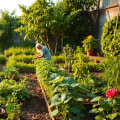
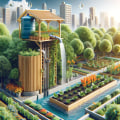
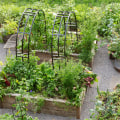
In recent years, the concept of sustainable gardening has gained significant traction among environmentally conscious individuals. This approach not only focuses on growing plants but also emphasizes the importance of maintaining ecological balance and minimizing environmental impact. By integrating solar power into gardening practices, enthusiasts can enhance their efforts to create a thriving ecosystem that supports biodiversity while reducing reliance on non-renewable energy sources. Utilizing solar energy in gardens offers numerous benefits that align perfectly with eco-friendly gardening practices. For instance, solar panels can power irrigation systems, ensuring that plants receive adequate water without the need for fossil fuels.
Additionally, solar-powered garden lights can illuminate pathways and highlight beautiful landscapes, all while reducing electricity costs and carbon footprints. This synergy between solar power and sustainable gardening not only promotes energy efficiency but also fosters a deeper connection with nature. As we delve deeper into the various ways solar power can be harnessed in a sustainable garden, it becomes clear that this combination is not just a trend but a vital step towards a greener future. By adopting these innovative practices, gardeners can contribute to environmental conservation while enjoying the fruits of their labor in a more sustainable manner. Join us as we explore practical applications and strategies for integrating solar energy into your gardening routine.
Understanding Sustainable Garden Practices
Sustainable garden practices are essential for creating a thriving ecosystem that benefits both the environment and the gardener.These practices focus on minimizing environmental impact while maximizing productivity and biodiversity. By adopting eco-friendly gardening techniques, gardeners can cultivate their plants in harmony with nature, ensuring that their gardens contribute positively to the surrounding ecosystem.One of the core principles of sustainable gardening is the use of organic gardening techniques. This approach emphasizes the use of natural fertilizers, pest control methods, and soil amendments, avoiding synthetic chemicals that can harm beneficial organisms and degrade soil health. Organic practices not only improve soil fertility but also promote a diverse range of microorganisms that are crucial for plant growth.Another important aspect is the implementation of permaculture principles.
Permaculture is a design philosophy that mimics natural ecosystems to create sustainable agricultural systems. It encourages gardeners to observe and work with nature rather than against it. For instance, incorporating companion planting can enhance plant health and yield by utilizing natural pest deterrents and improving nutrient uptake.
- Water conservation: Utilizing rainwater harvesting systems and drip irrigation helps conserve water while ensuring plants receive adequate moisture.
- Diversity: Planting a variety of species can enhance resilience against pests and diseases, creating a more stable garden environment.
- Soil health: Practices such as crop rotation, cover cropping, and mulching improve soil structure and fertility over time.
The Role of Solar Power in Sustainable Gardening
Integrating solar power into a sustainable garden not only enhances the garden's productivity but also significantly reduces its environmental impact.By harnessing the sun's energy, gardeners can adopt practices that align with the principles of sustainability.
Benefits of Solar Energy for Gardens
- Reduced Energy Costs: Utilizing solar panels can drastically lower electricity bills associated with garden maintenance, such as lighting and irrigation systems.
- Carbon Footprint Reduction: Solar energy is a clean, renewable resource that helps decrease reliance on fossil fuels, thereby minimizing greenhouse gas emissions.
- Increased Resilience: Solar-powered systems can provide energy independence, allowing gardens to thrive even during power outages or energy shortages.
- Solar-Powered Irrigation: Automated irrigation systems powered by solar energy ensure efficient water usage, reducing waste and promoting healthy plant growth.
- Garden Lighting: Solar lights can illuminate pathways and highlight features in the garden without consuming grid electricity, enhancing both safety and aesthetics.
- Greenhouses: Solar panels can be installed on greenhouses to power fans and heating systems, creating an optimal growing environment while maintaining sustainability.
Solar-Powered Tools and Equipment for Gardens
Incorporating solar-powered tools and equipment into your garden not only enhances its sustainability but also reduces reliance on traditional energy sources. Here are some essential solar-powered tools and systems that can transform your gardening experience:- Solar-Powered Garden Tools: These tools, such as lawn mowers, trimmers, and tillers, utilize solar energy to operate efficiently. For instance, the Sun Joe 24V-X2-SB18 is a cordless lawn mower that runs on a rechargeable battery powered by solar energy, making it an eco-friendly choice.
- Solar Irrigation Systems: Efficient watering is crucial for a sustainable garden.
Solar irrigation systems, like the Solar-Powered Drip Irrigation Kit, harness sunlight to pump water directly to your plants. This method conserves water and ensures that your garden receives the right amount of moisture without wasting resources.
- Solar Lights for Gardens: Illuminate your garden pathways and highlight your plants with solar lights. Products like GIGALUMI Solar Pathway Lights charge during the day and provide soft lighting at night, enhancing both safety and aesthetics while reducing electricity consumption.
- Eco-Friendly Gardening Tools: Look for tools made from sustainable materials that also feature solar technology. For example, the Greenworks 40V Cordless String Trimmer is designed with eco-conscious materials and operates on a battery charged by solar energy, promoting a greener gardening approach.
Embracing these innovations is a step towards creating a truly sustainable garden.
Implementing Solar Energy Solutions in Your Garden
Utilizing solar energy in your garden not only promotes sustainable garden practices but also enhances the overall aesthetic and functionality of your outdoor space. Here are some practical ways to implement solar energy solutions in your garden.Installing Solar Panels for Gardens
One of the most effective ways to harness solar energy is by installing solar panels. These can be used to power garden lights, water features, or even small pumps for irrigation systems. When selecting solar panels, consider the following:- Size and Capacity: Choose panels that fit your energy needs without overwhelming your garden's design.
- Placement: Install panels in areas that receive maximum sunlight throughout the day.
- Integration: Ensure that the installation complements your garden's aesthetics.
DIY Solar Projects for Gardens
If you're inclined towards DIY projects, there are numerous ways to incorporate solar technology into your garden:- Solar Path Lights: Create a welcoming atmosphere by installing solar-powered path lights.
They are easy to set up and require no wiring.
- Solar Water Features: Consider building a small fountain powered by a solar pump. This not only adds beauty but also attracts wildlife.
- Solar Garden Chargers: Set up a solar charger for your gardening tools or devices, ensuring you stay connected while working outdoors.
Integrating Solar Energy into Landscaping
When designing your garden, think about how to seamlessly integrate solar elements:- Solar Fencing: Use solar-powered fencing lights to enhance security while adding charm.
- Solar-Powered Irrigation Systems: Automate watering with a system that uses solar energy, reducing water waste and labor.
Solar Garden Design Tips
To maximize the benefits of solar energy in your garden, consider these design tips:- Layering Plants: Position taller plants to the north of shorter ones to avoid shading solar panels.
- Color Schemes: Use light-colored materials for paths and structures to reflect sunlight and enhance energy efficiency.
Case Studies: Successful Solar-Powered Sustainable Gardens
Exploring successful solar-powered sustainable gardens provides valuable insights into how innovative practices can enhance eco-friendly gardening. Here are a few notable case studies that exemplify the integration of solar power in sustainable gardening.1.The Solar-Powered Community Garden in San Francisco
This community garden utilizes solar panels to power its irrigation system and garden lights. By harnessing solar energy, the garden reduces its reliance on municipal water and electricity, showcasing a model for urban sustainability.The community members actively participate in workshops that educate them on sustainable garden practices, including composting and organic gardening.
2.The Eco-Friendly Rooftop Garden in New York City
A rooftop garden in NYC has implemented solar energy to support its vertical farming initiatives. Solar panels provide energy for LED grow lights, allowing the garden to produce fresh vegetables year-round. This project not only promotes local food production but also serves as an educational hub for urban dwellers interested in innovative solar gardening projects.3.The Solar-Powered Permaculture Farm in Oregon
This permaculture farm integrates solar energy into its design by using solar water heaters and photovoltaic systems to power tools and equipment. The farm emphasizes biodiversity and soil health while demonstrating how solar power can be effectively utilized in larger agricultural settings.Visitors can learn about sustainable practices that enhance both productivity and environmental stewardship.
4.The Solar Greenhouse Project in Colorado
A unique greenhouse project in Colorado employs solar panels to maintain optimal growing conditions throughout the year. By using solar energy for heating and cooling, the greenhouse minimizes energy costs while maximizing plant growth. This project highlights how successful eco-friendly gardens can thrive even in challenging climates.These case studies illustrate that integrating solar power into sustainable gardens not only enhances their efficiency but also promotes community engagement and education. By adopting similar practices, gardeners can contribute to a more sustainable future.Challenges and Considerations When Using Solar Power in Gardens
Incorporating solar power into a sustainable garden can present several challenges and considerations that gardeners must navigate to ensure effective implementation.Understanding these obstacles is crucial for maximizing the benefits of solar energy in gardening.
Challenges of Solar Energy in Gardening
One of the primary challenges is the initial cost of solar equipment. While prices have decreased over the years, the upfront investment for solar panels, batteries, and installation can still be significant. Gardeners must weigh this cost against long-term savings on energy bills.Another challenge is the availability of sunlight. Gardens located in shaded areas may not receive sufficient sunlight to power solar systems effectively.It’s essential to assess the garden's layout and consider relocating plants or structures that block sunlight.
Limitations of Solar Power for Gardens
Solar power systems also have limitations regarding energy storage. Most solar setups rely on batteries to store energy for nighttime use or cloudy days. The capacity and lifespan of these batteries can affect how much energy is available for garden use, necessitating careful planning.Considerations for Solar Garden Design
When designing a solar-powered garden, it’s important to consider the placement of solar panels. Panels should be positioned to maximize sun exposure throughout the day.Additionally, integrating solar lighting and irrigation systems can enhance the garden's sustainability while ensuring efficient energy use.
Maintenance of Solar Equipment in Gardens
Regular maintenance is vital for keeping solar equipment functioning optimally. This includes cleaning panels to remove dirt and debris that can block sunlight, as well as checking battery health and connections. Gardeners should establish a maintenance schedule to ensure their solar systems remain efficient and effective.By addressing these challenges and considerations, gardeners can successfully integrate solar power into their sustainable practices, ultimately contributing to a more eco-friendly gardening approach.Frequently Asked Questions about Solar Power and Sustainable Gardening
As more gardeners seek to implement sustainable garden practices, many questions arise regarding the integration of solar power. Here are some frequently asked questions that can help clarify how solar energy can enhance your gardening efforts.- What are the benefits of using solar power in gardens?Utilizing solar power in your garden can lead to numerous benefits, including:
- Reduced energy costs: Solar energy can significantly lower your electricity bills by powering garden lights, pumps, and other equipment.
- Environmental impact: By harnessing renewable energy, you reduce your carbon footprint and contribute to a healthier planet.
- Increased efficiency: Solar-powered tools and systems can enhance productivity, allowing for more efficient watering and maintenance.
- How can I start a sustainable garden with solar power?Starting a sustainable garden with solar power involves several steps:
- Assess your energy needs: Determine what aspects of your garden would benefit from solar energy, such as lighting or irrigation systems.
- Select appropriate solar products: Choose solar panels, lights, or pumps that fit your garden's requirements and budget.
- Install and maintain: Proper installation is crucial for efficiency.
Regular maintenance will ensure longevity and optimal performance.
- What common questions do gardeners have about sustainable gardening practices?Some common inquiries include:
- How do I choose the right plants? Opt for native species that require less water and are adapted to your local climate.
- What is composting? Composting is the process of recycling organic waste into nutrient-rich soil, which supports plant growth.
- How can I conserve water? Implementing drip irrigation systems and mulching can significantly reduce water usage in your garden.
Conclusion: The Future of Sustainable Gardening with Solar Power
As we look towards the future of gardening, the integration of solar power into sustainable garden practices stands out as a pivotal development. The benefits of harnessing solar energy extend beyond mere convenience; they represent a significant step towards reducing our carbon footprint and promoting environmental stewardship.Throughout this article, we have explored various ways in which solar power can enhance sustainable gardening. From powering irrigation systems to providing energy for greenhouse heating, solar technology offers innovative solutions that align with eco-friendly principles. By utilizing solar panels, gardeners can not only reduce their reliance on fossil fuels but also lower their energy costs, making sustainable gardening more accessible.Moreover, the use of solar energy in gardens contributes to biodiversity.By creating a self-sustaining ecosystem powered by renewable energy, gardeners can foster habitats for local wildlife while simultaneously growing their own food. This synergy between technology and nature exemplifies the essence of a sustainable garden.In conclusion, embracing solar power in our gardening practices is not just a trend; it is a necessary evolution towards a more sustainable future. As we continue to face challenges such as climate change and resource depletion, integrating renewable energy sources like solar power into our gardens will play a crucial role in promoting sustainability. By adopting these practices today, we pave the way for healthier ecosystems and a greener planet for generations to come.Let us commit to making conscious choices that support both our gardens and the environment.
The future of sustainable gardening is bright, and with solar power at its core, we can cultivate not only beautiful gardens but also a thriving planet.