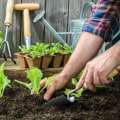
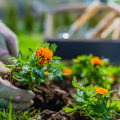
Sustainable gardening is more than just a trend; it is a vital approach to cultivating plants that respects and enhances the environment. As we face increasing challenges such as climate change, biodiversity loss, and resource depletion, the need for sustainable garden practices has never been more pressing. This method of gardening emphasizes the importance of working in harmony with nature, rather than against it, ensuring that our gardens contribute positively to the ecosystem. At its core, sustainable gardening involves a variety of practices that promote environmental health, economic viability, and social equity. By adopting these practices, gardeners can reduce their carbon footprint, conserve water, and improve soil health.
The benefits of sustainable gardening extend beyond the individual gardener; they create a ripple effect that can lead to healthier communities and ecosystems. For instance, using native plants not only supports local wildlife but also reduces the need for chemical fertilizers and pesticides. As we delve deeper into the world of sustainable gardening, we will explore specific sustainable garden practices that can be easily integrated into any gardening routine. From composting and organic pest control to permaculture techniques and water conservation methods, these practices not only enhance the beauty of our gardens but also contribute to a more sustainable future. Embracing sustainable gardening is not just an option; it is a responsibility we owe to ourselves and future generations.
Soil Health and Management
Maintaining soil health is a cornerstone of sustainable garden practices.Healthy soil not only supports plant growth but also contributes to the overall ecosystem by promoting biodiversity and reducing the need for chemical fertilizers.One effective way to enhance soil health is through composting. Composting involves recycling organic waste, such as kitchen scraps and yard debris, into nutrient-rich compost. This process not only reduces landfill waste but also enriches the soil with essential nutrients. To start composting, consider the following techniques:
- Hot composting: This method involves maintaining a high temperature in the compost pile to accelerate decomposition.
It typically takes 4 to 6 weeks to produce usable compost.
- Cold composting: A slower process that allows organic materials to decompose naturally over time. This method requires less maintenance but can take several months to a year.
- Bokashi composting: A fermentation process that uses specific microorganisms to break down organic matter quickly. This method is particularly effective for kitchen waste.
- Manure: Well-aged animal manure adds nutrients and improves soil texture.
- Bone meal: A slow-release source of phosphorus that promotes root development.
- Green manure: Cover crops like clover or vetch that are grown specifically to be tilled back into the soil, enriching it with organic matter and nutrients.
By rotating different types of crops each season, gardeners can prevent nutrient depletion and reduce pest and disease buildup in the soil. For example, following nitrogen-fixing legumes with heavy feeders like tomatoes can help maintain a balanced nutrient profile.In conclusion, prioritizing soil health through composting, organic amendments, and crop rotation not only enhances garden productivity but also fosters a more sustainable gardening ecosystem.
Water Conservation Techniques
Water conservation is a critical aspect of sustainable garden practices, especially in regions prone to drought or water scarcity. Implementing effective techniques can significantly reduce water usage while maintaining a healthy garden.Drip Irrigation Systems
One of the most efficient methods for watering plants is through drip irrigation systems. This technique delivers water directly to the roots of plants, minimizing evaporation and runoff.By using a network of tubing and emitters, gardeners can control the amount of water each plant receives, ensuring that no water is wasted. Additionally, drip irrigation can be automated with timers, allowing for precise watering schedules that align with the plants' needs.
Rainwater Harvesting
Rainwater harvesting is another excellent practice for conserving water in gardens. By collecting rainwater from rooftops and directing it into barrels or cisterns, gardeners can create a sustainable source of irrigation. This not only reduces reliance on municipal water supplies but also helps to manage stormwater runoff.To maximize efficiency, consider installing a filtration system to keep the collected water clean and suitable for garden use.
Xeriscaping
Xeriscaping is a landscaping method that emphasizes drought-resistant plants and efficient irrigation techniques. By selecting native or drought-tolerant species, gardeners can create beautiful landscapes that require minimal watering. Incorporating mulch around plants can also help retain soil moisture and reduce evaporation. This practice not only conserves water but also supports local ecosystems by providing habitats for native wildlife.Incorporating these sustainable garden practices not only conserves precious water resources but also promotes a healthier environment.By adopting methods like drip irrigation, rainwater harvesting, and xeriscaping, gardeners can contribute to sustainability while enjoying vibrant and thriving gardens.
Native Plants and Biodiversity
Incorporating native plants into your garden is one of the most effective sustainable garden practices you can adopt. Native plants are species that have evolved in a specific region and are well-adapted to the local climate, soil, and wildlife. By choosing these plants, gardeners can significantly enhance biodiversity in their gardens.Benefits of Native Plants
- Low Maintenance: Native plants typically require less water and fewer fertilizers compared to non-native species, making them easier to care for.
- Resilience: These plants are more resistant to local pests and diseases, reducing the need for chemical interventions.
- Support Local Wildlife: Native plants provide essential habitats and food sources for local wildlife, including birds, insects, and other beneficial organisms.
A garden rich in native flora can attract these pollinators, ensuring that they have the resources they need to thrive.
Planting for Pollinators
To effectively support pollinators, consider incorporating a mix of flowering native plants that bloom at different times throughout the growing season. This strategy ensures that there is always a food source available for these vital creatures. Some excellent choices include:
- Echinacea (Coneflower): Attracts bees and butterflies with its vibrant blooms.
- Asclepias (Milkweed): Essential for monarch butterflies during their lifecycle.
- Rudbeckia (Black-eyed Susan): Provides nectar for various pollinators.
Pest Management Strategies
Effective sustainable garden practices include various pest management strategies that minimize harm to the environment while protecting your plants. One of the most popular methods is organic pest control, which utilizes natural substances and techniques to deter pests without the use of synthetic chemicals.Organic Pest Control Methods
- Neem oil: Extracted from the seeds of the neem tree, this oil disrupts the life cycle of pests and is effective against a variety of insects.
- Diatomaceous earth: This natural powder can be sprinkled around plants to deter soft-bodied insects by damaging their exoskeletons.
- Insecticidal soap: Made from natural plant oils, this soap suffocates pests on contact and is safe for beneficial insects when used correctly.
Integrated Pest Management (IPM)
Another effective approach is integrated pest management (IPM), which combines multiple strategies to manage pest populations sustainably.
IPM emphasizes:
- Monitoring pest populations to determine when intervention is necessary.
- Using biological controls, such as introducing beneficial insects like ladybugs that prey on harmful pests.
- Employing cultural practices, such as crop rotation and proper sanitation, to reduce pest habitats.
Companion Planting
Companion planting is another sustainable practice that can help manage pests naturally. By planting certain species together, gardeners can create a more balanced ecosystem. For example:
- Basil planted near tomatoes can repel aphids and whiteflies.
- Nasturtiums can act as a trap crop for aphids, drawing them away from more valuable plants.
- Marigolds are known to deter nematodes and other garden pests with their strong scent.
Sustainable Gardening Tools and Materials
Incorporating sustainable garden practices begins with the tools and materials you choose.Opting for eco-friendly gardening tools not only reduces your environmental footprint but also enhances the health of your garden.
Eco-Friendly Gardening Tools
When selecting tools, consider those made from sustainable materials such as bamboo or recycled metals. These options are not only durable but also minimize the use of harmful plastics. For instance, bamboo handles for rakes and shovels are strong and biodegradable, making them an excellent choice for the environmentally conscious gardener.Sustainable Materials for Gardens
Using sustainable materials in your garden can significantly impact its overall health and sustainability. Organic compost, for example, enriches the soil without introducing synthetic chemicals.Additionally, consider using natural mulches like straw or wood chips, which help retain moisture and suppress weeds while breaking down to improve soil quality over time.
Biodegradable Garden Products
Another essential aspect of sustainable gardening is the use of biodegradable garden products. Items such as plant pots made from coconut coir or recycled paper can decompose naturally, reducing waste in landfills. Furthermore, biodegradable seedling trays allow for easy transplanting without disturbing the roots, promoting healthier plant growth.By choosing eco-friendly tools and sustainable materials, you not only contribute to a healthier planet but also create a thriving garden that reflects your commitment to sustainable garden practices. Embracing these options can lead to a more productive and environmentally responsible gardening experience.Community Involvement and Education
Community involvement plays a crucial role in promoting sustainable garden practices.One of the most effective ways to engage the community is through community gardens. These shared spaces not only provide fresh produce but also foster a sense of belonging and collaboration among participants. In community gardens, individuals from diverse backgrounds come together to cultivate plants, share resources, and learn from one another. This collective effort enhances local biodiversity and encourages the use of organic gardening methods, which are essential for sustainability.Moreover, educational programs on sustainable gardening are vital for spreading knowledge and best practices.
Many organizations and local governments offer workshops and classes that teach participants about composting, water conservation, and pest management without harmful chemicals. These programs often include hands-on activities that allow participants to apply what they learn in real-time, making the information more accessible and memorable.In addition to formal education, sharing knowledge about gardening practices can occur informally through community events such as seed swaps or gardening clubs. These gatherings provide an opportunity for seasoned gardeners to mentor novices, fostering a culture of learning and sustainability. Participants can exchange tips on organic fertilizers, companion planting, and seasonal planting schedules, which can significantly enhance their gardening success.Furthermore, social media platforms have become powerful tools for connecting gardeners within communities.
Online forums and local gardening groups allow individuals to share their experiences, ask questions, and celebrate their successes. This digital exchange of information complements traditional methods of learning and helps build a supportive network focused on sustainable garden practices.Ultimately, the synergy created by community involvement and education not only promotes sustainable gardening but also strengthens community ties. By working together towards common goals, communities can create greener spaces that benefit both the environment and their residents.
FAQs About Sustainable Garden Practices
When starting your journey into sustainable garden practices, you may have several questions. Here are some common queries and their answers to help you get started.What are sustainable gardening practices?
Sustainable gardening practices involve methods that promote environmental health, conserve resources, and enhance biodiversity.This includes using organic fertilizers, implementing crop rotation, and conserving water through efficient irrigation techniques.
How can I start a sustainable garden?
- Assess your space: Determine the size and type of garden you want to create, whether it's a small balcony garden or a larger backyard plot.
- Choose native plants: Select plants that are native to your region as they require less water and are more resilient to local pests.
- Implement composting: Start composting kitchen scraps and yard waste to create nutrient-rich soil for your garden.
- Use organic pest control: Instead of chemical pesticides, opt for natural solutions like neem oil or introducing beneficial insects.
What tips do you have for beginners in sustainable gardening?
- Start small: Begin with a few plants or a small garden bed to avoid feeling overwhelmed.
- Educate yourself: Read books or take online courses about sustainable gardening techniques to build your knowledge base.
- Be patient: Understand that gardening is a learning process; not every plant will thrive, and that’s okay!
- Join a community: Connect with local gardening groups or online forums to share experiences and gain insights from others.
Conclusion: The Future of Sustainable Gardening
As we look towards the future, the importance of adopting sustainable garden practices cannot be overstated. These practices not only contribute to the health of our planet but also enhance the resilience of our gardens against climate change and environmental degradation.Throughout this article, we have explored various methods that promote sustainability in gardening. From implementing composting techniques to utilizing native plants, each practice plays a crucial role in creating a balanced ecosystem.By reducing reliance on chemical fertilizers and pesticides, gardeners can foster a healthier soil microbiome, which is essential for plant growth.Moreover, the integration of water conservation strategies, such as rainwater harvesting and drip irrigation, ensures that we use this precious resource wisely. These methods not only reduce water waste but also help maintain the vitality of our gardens during dry spells.As we embrace these sustainable practices, it is vital to recognize their broader implications. By cultivating gardens that prioritize biodiversity and ecological balance, we contribute to the overall health of our communities and the planet. Sustainable gardening is not just a trend; it is a necessary shift towards a more responsible way of living.In conclusion, the future of gardening lies in our hands.
By adopting sustainable garden practices, we can create spaces that are not only beautiful but also beneficial for future generations. Let us commit to nurturing our gardens with care and respect for the environment, ensuring that they thrive for years to come.