Pollination is a vital process that underpins the health and productivity of our gardens, especially within the framework of sustainable gardening practices. It involves the transfer of pollen from the male parts of flowers to the female parts, enabling plants to produce fruits and seeds. This natural phenomenon is not just essential for the reproduction of flowering plants; it also plays a crucial role in maintaining biodiversity and supporting ecosystems. Without effective pollination, many of the fruits, vegetables, and nuts we rely on would become scarce, leading to a decline in food security. In a sustainable garden, promoting pollination goes beyond simply planting flowers.
It encompasses creating an environment that attracts and supports various pollinators, such as bees, butterflies, and birds. These creatures are not only responsible for fertilizing plants but also contribute to the overall health of the garden by enhancing soil fertility and encouraging a diverse range of plant species. By understanding the importance of pollinators, gardeners can implement strategies that foster their presence and ensure a thriving ecosystem. Moreover, engaging in sustainable gardening practices that promote pollination can lead to numerous benefits. These include increased crop yields, improved plant health, and enhanced resilience against pests and diseases.
As we delve deeper into this topic, we will explore specific methods to create a welcoming habitat for pollinators, ensuring that your garden flourishes while contributing positively to the environment.
Creating a Pollinator-Friendly Habitat
Creating a pollinator-friendly habitat is essential for promoting biodiversity and supporting the vital role that pollinators play in our ecosystems. By incorporating specific design elements and native plants into your garden, you can create an inviting space for these important creatures.Native plants
are particularly effective in attracting pollinators because they have co-evolved with local species, providing the right food sources and habitats. Consider including a variety of flowering plants that bloom at different times throughout the growing season. This ensures that there is always something in bloom, offering a continuous food supply for pollinators.- Wildflowers: Species such as coneflowers, black-eyed Susans, and milkweed are excellent choices.
- Herbs: Plants like lavender, thyme, and basil not only attract pollinators but can also be used in your kitchen.
- Grasses: Native grasses can provide shelter and nesting sites for various pollinators.
A diverse layout with varying heights and textures can create a more appealing environment for pollinators. Here are some tips to enhance your garden's design:
- Create layers: Use taller plants at the back and shorter ones in front to create visual interest and shelter.
- Add water sources: A shallow dish filled with water or a small pond can provide hydration for pollinators.
- Avoid pesticides: Chemicals can harm pollinators; opt for organic pest control methods instead.
Choosing the Right Plants for Pollination
Creating a sustainable garden that promotes pollination begins with selecting the right plants. By choosing flowering plants that attract various pollinators, you can enhance biodiversity and support the ecosystem.Here are some of the best plants to consider:
- Bee Balm (Monarda spp.) : This vibrant perennial is a favorite among bees and butterflies. Its tubular flowers provide easy access to nectar, making it an essential addition to any pollinator-friendly garden.
- Lavender (Lavandula spp.) : Known for its aromatic scent, lavender attracts bees and other beneficial insects. Its long blooming season ensures a steady food source throughout the summer.
- Echinacea (Coneflower) : Echinacea not only adds beauty to your garden but also serves as a magnet for bees and butterflies. Its sturdy structure allows for easy landing, making it accessible for pollinators.
- Milkweed (Asclepias spp.) : Essential for monarch butterflies, milkweed provides both nectar and a habitat for caterpillars.
Planting milkweed is crucial for supporting these beautiful insects during their life cycle.
- Sunflowers (Helianthus spp.) : These cheerful giants are not only visually appealing but also attract a variety of pollinators, including bees and birds. Their large blooms offer ample nectar and pollen.
Implementing Sustainable Practices to Support Pollinators
Creating a sustainable garden that supports pollinators involves implementing various practices that prioritize their health and habitat.Here are some effective strategies:
- Plant Native Species: Incorporate a variety of native plants that provide nectar and pollen throughout the growing season. Native flowers, shrubs, and trees are adapted to local conditions and are more attractive to local pollinators.
- Provide Habitat: Create diverse habitats by including different plant heights and structures. Consider adding features like bee hotels, brush piles, or undisturbed areas where ground-nesting bees can thrive.
- Avoid Pesticides: Implement eco-friendly pest control methods to protect pollinators. Use natural predators, such as ladybugs for aphid control, or introduce beneficial nematodes to manage soil pests.
If pesticides are necessary, opt for organic options and apply them in the evening when pollinators are less active.
- Practice Crop Rotation: Rotate your crops each season to prevent pest buildup and maintain soil health. This practice not only benefits your plants but also reduces the need for chemical interventions.
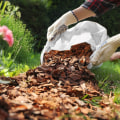
- Mulching: Use organic mulch to suppress weeds and retain moisture in the soil. This practice helps create a healthier environment for both plants and pollinators.
Creating Nesting Sites for Pollinators
Creating suitable nesting sites is essential for supporting pollinators in your sustainable garden practices.Many species of bees, butterflies, and other beneficial insects require specific habitats to thrive. By incorporating diverse nesting options, you can enhance the biodiversity of your garden and promote a healthy ecosystem.
Types of Nesting Sites
- Bee Hotels: These structures provide a safe haven for solitary bees, such as mason bees and leafcutter bees. You can easily create a bee hotel using untreated wood blocks with drilled holes of varying diameters, or by bundling hollow stems like bamboo or reeds.
- Ground Nests: Many native bees prefer to nest in the ground. To accommodate them, leave patches of bare soil in your garden.
Avoid using pesticides in these areas to ensure a safe environment for ground-nesting pollinators.
- Brush Piles: A brush pile made from twigs, branches, and leaves can serve as a habitat for various insects. This natural debris provides shelter and nesting opportunities for many pollinators while also supporting other wildlife.
Enhancing Habitat Diversity
In addition to providing specific nesting sites, consider the overall diversity of your garden. Incorporate a variety of plants that bloom at different times throughout the growing season. This not only attracts a wider range of pollinators but also ensures that they have food sources available when they need them most.Furthermore, avoid using chemical pesticides and herbicides that can harm pollinators.Instead, opt for organic pest control methods that are less harmful to beneficial insects. By fostering a welcoming environment with diverse habitats and food sources, you can significantly contribute to the health and sustainability of pollinator populations in your garden.
Water Sources and Their Role in Pollinator Health
Water is a vital resource in any sustainable garden, not just for plants but also for the myriad of pollinators that contribute to the ecosystem. Providing accessible water sources can significantly enhance the health and activity of bees, butterflies, and other beneficial insects.Importance of Water in Gardens
- Hydration: Just like humans, pollinators need water to survive. It helps them regulate their body temperature and aids in digestion.
- Habitat: Water sources create microhabitats that attract various species of pollinators, making your garden a thriving ecosystem.
- Pollination Efficiency: Well-hydrated pollinators are more active and efficient, leading to better pollination rates for your plants.
Providing Water for Bees and Butterflies
- Shallow Dishes: Use shallow dishes filled with pebbles or marbles and water.
This allows pollinators to land safely while drinking without the risk of drowning.
- Bird Baths: A bird bath can serve dual purposes. Ensure it has a shallow area for bees and butterflies to access water easily.
- Natural Puddles: If possible, create small puddles in your garden by allowing water to collect in depressions. This mimics natural habitats where pollinators often gather.
Educating Your Community About Pollinator Conservation
Engaging your community in pollinator conservation is a vital step towards promoting sustainable garden practices.By educating others about the importance of pollinators, you can foster a collective effort to create environments that support these essential creatures.
Organize Workshops and Events
- Host workshops that focus on the role of pollinators in our ecosystems and how to create pollinator-friendly gardens.
- Plan community events such as garden tours or plant swaps that emphasize native plants, which are crucial for attracting local pollinators.
Utilize Social Media and Local Platforms
- Create social media campaigns that highlight the benefits of pollinators and share tips on sustainable gardening practices.
- Collaborate with local gardening clubs or environmental organizations to spread awareness through newsletters and community boards.
Involve Schools and Educational Institutions
- Partner with schools to develop educational programs that teach students about the importance of pollinators and how they can contribute to conservation efforts.
- Encourage school gardens that incorporate native plants, providing hands-on learning experiences about sustainable gardening.
Encourage Local Businesses to Participate
- Work with local nurseries to promote native plants and provide resources for customers interested in creating sustainable gardens.
- Engage restaurants and cafes to support local pollinator initiatives by sourcing ingredients from gardens that practice sustainable methods.
FAQs About Promoting Pollination in Sustainable Gardens
When it comes to promoting pollination in a sustainable garden, many gardeners have questions about the best practices and methods to attract pollinators. Here are some frequently asked questions that can help clarify common concerns and misconceptions.What are the best plants to attract bees?
To effectively attract bees to your garden, consider planting a variety of native flowers that bloom at different times throughout the growing season. Some excellent choices include:- Lavender
- Echinacea (Coneflower)
- Sunflowers
- Bee balm
- Wildflowers native to your region
How can I create a bee-friendly habitat?
Creating a bee-friendly habitat involves more than just planting flowers.Here are some tips:
- Avoid pesticides: Chemicals can harm pollinators. Opt for organic pest control methods instead.
- Provide water sources: Shallow dishes with pebbles or small puddles can help bees hydrate.
- Create nesting sites: Leave some areas of bare soil or install bee hotels to encourage solitary bees.
- Plant in clusters: Grouping flowers together makes it easier for bees to find food.
What are some common misconceptions about pollination?
Many people believe that all pollinators are bees, but this is not the case. Other insects like butterflies, moths, and even birds play significant roles in pollination. Additionally, some think that having a few flowers is enough; however, a diverse range of plants is crucial for supporting various pollinator species throughout the seasons.By understanding these aspects of sustainable gardening practices, you can create an environment that not only supports pollinators but also enhances the overall health of your garden.Conclusion: The Path to a Thriving Sustainable Garden Through Pollination
In conclusion, promoting pollination is a vital aspect of sustainable garden practices that not only enhances biodiversity but also ensures the health and productivity of your garden.By implementing the strategies discussed, gardeners can create an environment that supports pollinators and fosters a thriving ecosystem.To recap, here are some key points to consider:
- Diverse Plant Selection: Incorporating a variety of flowering plants that bloom at different times throughout the growing season attracts a wide range of pollinators.
- Native Plants: Utilizing native species is crucial as they are well-adapted to local conditions and provide essential resources for local pollinator populations.
- Habitat Creation: Establishing habitats such as bee hotels, brush piles, and undisturbed areas can offer shelter and nesting sites for various pollinators.
- Avoiding Pesticides: Reducing or eliminating pesticide use is essential for protecting pollinator health. Opt for organic pest control methods whenever possible.
- Water Sources: Providing clean water sources, such as shallow dishes filled with pebbles and water, can help sustain pollinators during hot weather.