In recent years, the concept of sustainable gardening has gained significant traction as more individuals recognize the impact of their gardening practices on the environment. A sustainable garden is not just about growing plants; it encompasses a holistic approach that prioritizes ecological balance, resource conservation, and waste reduction. By adopting sustainable garden practices, gardeners can create vibrant ecosystems that not only yield healthy produce but also contribute positively to the planet. One of the primary goals of sustainable gardening is to minimize waste. Traditional gardening methods often lead to excess waste through chemical fertilizers, plastic pots, and non-biodegradable materials.
In contrast, sustainable practices encourage the use of organic materials, composting, and natural pest control methods. This shift not only reduces the amount of waste generated but also enhances soil health and promotes biodiversity. Moreover, sustainable gardening fosters a deeper connection between individuals and their environment. By understanding the importance of waste reduction in gardening, gardeners can make informed choices that benefit both their gardens and the larger ecosystem. Whether it's repurposing kitchen scraps into compost or utilizing rainwater for irrigation, every small action contributes to a more sustainable future.
As we delve deeper into this article, we will explore various strategies that can help you cultivate a thriving garden while minimizing your ecological footprint.
Composting: Turning Waste into Nutrient-Rich Soil
Composting is a vital practice in a sustainable garden, transforming organic waste into nutrient-rich soil that benefits both plants and the environment. By composting, gardeners can significantly reduce the amount of waste sent to landfills while enhancing soil health.Benefits of Composting
The advantages of composting extend beyond waste reduction. Here are some key benefits:- Soil Enrichment: Compost adds essential nutrients to the soil, improving its structure and fertility.
- Water Retention: Compost helps soil retain moisture, reducing the need for frequent watering.
- Pest and Disease Resistance: Healthy soil promotes strong plants that are more resistant to pests and diseases.
- Carbon Footprint Reduction: By composting, you lower greenhouse gas emissions associated with waste decomposition in landfills.
How to Compost
Starting a compost pile is simple and can be done in a few easy steps:- Choose a Location: Select a dry, shaded spot near your garden for your compost bin or pile.
- Add Materials: Combine green materials (like vegetable scraps and grass clippings) with brown materials (such as dried leaves and cardboard).
- Maintain the Pile: Turn the compost every few weeks to aerate it and speed up the decomposition process.
- Monitor Moisture: Keep the compost moist but not soggy; it should feel like a damp sponge.
Composting Methods
There are several methods to implement composting in your garden, each suited to different needs:- Bokashi Composting: A fermentation method that uses beneficial microbes to break down food waste quickly.
- Tumbler Composting: A rotating bin that makes it easy to mix materials and accelerate decomposition.
- Pile Composting: A traditional method where organic materials are layered in a heap, allowing natural decomposition over time.
Utilizing Native Plants to Minimize Resource Use
Incorporating native plants into your garden is one of the most effective sustainable garden practices you can adopt.Native plants are species that naturally occur in a specific region, making them well-adapted to the local climate and soil conditions. This adaptation translates into numerous benefits for both the gardener and the environment.
Water Conservation
- Native plants typically require less water than non-native species, as they have evolved to thrive in local rainfall patterns. This characteristic significantly reduces the need for irrigation, which is a major contributor to water waste in traditional gardening.
- By minimizing water usage, gardeners can help conserve this precious resource, especially in areas prone to drought.
Reduced Maintenance
- Another advantage of using native plants is their low maintenance requirements. These plants are more resistant to local pests and diseases, which means less reliance on chemical pesticides and fertilizers.
- This not only saves time and effort for the gardener but also contributes to a healthier ecosystem by reducing chemical runoff into nearby waterways.
Biodiversity and Ecosystem Support
- Native plants play a crucial role in supporting local wildlife, including pollinators like bees and butterflies.
By creating a habitat that attracts these beneficial creatures, gardeners can enhance biodiversity in their area.
- A diverse garden ecosystem is more resilient to pests and diseases, further reducing the need for external inputs.
Rainwater Harvesting: A Sustainable Water Source
Rainwater harvesting is an effective and sustainable practice that allows gardeners to collect and utilize rainwater for their gardening needs. This method not only conserves water but also reduces the dependency on municipal water sources, making it a vital component of sustainable garden practices.Benefits of Rainwater Harvesting
- Water Conservation: Collecting rainwater helps to conserve precious water resources, especially in areas prone to drought.
- Cost Savings: By using harvested rainwater, gardeners can lower their water bills significantly.
- Improved Plant Health: Rainwater is typically free of the chemicals found in tap water, such as chlorine and fluoride, making it better for plants.
- Reduced Runoff: Harvesting rainwater minimizes stormwater runoff, which can lead to soil erosion and pollution.
How to Collect Rainwater
Implementing a rainwater harvesting system in your garden can be straightforward. Here are some practical steps to get started:
- Select a Collection Area: Identify a suitable area where rainwater can be collected, such as rooftops or paved surfaces.
- Install Gutters and Downspouts: Ensure that your roof has gutters that direct rainwater into downspouts leading to your collection system.
- Choose a Storage System: Use barrels or cisterns to store the collected rainwater.
Make sure they are covered to prevent mosquito breeding and contamination.
- Use a Filtration System: Consider installing a simple filtration system to remove debris before the water enters your storage container.
Mulching: Conserving Moisture and Reducing Waste
Mulching is a vital practice in sustainable garden practices that not only conserves moisture but also significantly reduces waste. By covering the soil with a layer of organic or inorganic material, gardeners can create a healthier environment for their plants while minimizing the need for additional resources.Benefits of Mulching
- Moisture Retention: Mulch acts as a barrier, reducing evaporation from the soil. This means less frequent watering is required, which is especially beneficial in dry climates.
- Weed Control: A thick layer of mulch suppresses weed growth by blocking sunlight, which helps to keep your garden tidy and reduces competition for nutrients.
- Soil Temperature Regulation: Mulch helps maintain a consistent soil temperature, protecting plant roots from extreme heat or cold.
- Nutrient Enrichment: Organic mulches break down over time, adding valuable nutrients back into the soil and improving its structure.
Types of Mulch
There are various types of mulch available, each with its own benefits:- Bark Mulch: Ideal for decorative purposes and long-lasting, it helps retain moisture and suppress weeds.
- Straw or Hay: Excellent for vegetable gardens, these materials decompose quickly and enrich the soil.
- Grass Clippings: A readily available option that provides nitrogen as it breaks down, but should be applied in thin layers to avoid matting.
- Compost: Not only serves as mulch but also improves soil health as it decomposes, making it a dual-purpose choice.
How to Mulch Effectively
To achieve the best results from mulching, follow these steps:- Choose the Right Material: Select a mulch type that suits your garden's needs and aesthetic preferences.
- Prepare the Soil: Clear away weeds and debris before applying mulch to ensure it adheres well to the soil.
- Apply at the Right Depth: Aim for a layer of 2-4 inches to effectively suppress weeds and retain moisture without suffocating plant roots.
- Avoid Piling Against Stems: Keep mulch away from plant stems to prevent rot and pest issues.
Crop Rotation and Companion Planting for Soil Health
Implementing crop rotation and companion planting are two effective sustainable gardening techniques that not only enhance soil health but also contribute to waste reduction in your garden.Crop Rotation
Crop rotation involves changing the type of crops grown in a specific area from season to season.
This practice helps maintain soil fertility and structure, as different plants have varying nutrient requirements and root structures. For instance, legumes like beans and peas can fix nitrogen in the soil, benefiting subsequent crops such as corn or tomatoes that require higher nitrogen levels. By rotating crops, you can:
- Reduce soil depletion: Different plants draw different nutrients from the soil, preventing any single nutrient from being exhausted.
- Minimize pest and disease buildup: Many pests and diseases are crop-specific; rotating crops disrupts their life cycles.
- Enhance biodiversity: A diverse planting scheme encourages a wider range of beneficial insects and microorganisms.
Companion Planting
Companion planting is the practice of growing different plants in proximity for mutual benefits. Certain plants can deter pests, attract beneficial insects, or enhance growth when planted together.
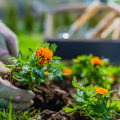
For example, planting marigolds alongside vegetables can repel nematodes and other harmful insects. The benefits of companion planting include:
- Pest control: Natural repellents reduce the need for chemical pesticides.
- Improved pollination: Some flowers attract pollinators that benefit nearby crops.
- Efficient use of space: Taller plants can provide shade for shorter ones, optimizing garden layout.
Repurposing Garden Waste: Creative Solutions
Repurposing garden waste is an essential aspect of sustainable garden practices, allowing gardeners to minimize waste while enhancing their gardening experience. By creatively reusing materials that would otherwise be discarded, you can contribute to a more eco-friendly environment.Here are some innovative ways to repurpose garden waste:- Composting: One of the most effective methods for recycling in gardening is composting.
By collecting kitchen scraps, fallen leaves, and other organic materials, you can create nutrient-rich compost that enriches your soil.
- Mulching: Shredded branches, grass clippings, and leaves can be used as mulch. This not only suppresses weeds but also retains moisture in the soil, reducing the need for frequent watering.
- Plant Supports: Old branches or bamboo stakes can be repurposed as plant supports for climbing plants like beans or tomatoes. This not only saves money but also reduces the need for new materials.
- Garden Art: Get creative by turning broken pots or old tools into unique garden art. For example, a cracked pot can become a whimsical planter, while rusty tools can be transformed into decorative wall hangings.
- Seed Starters: Egg cartons and toilet paper rolls make excellent seed starters.
Simply fill them with soil and seeds, and once the seedlings are ready, you can plant them directly into the ground without disturbing their roots.
Sustainable Pest Management: Reducing Chemical Waste
Implementing sustainable pest management practices is essential for reducing chemical waste in your garden. By focusing on organic pest control methods, you can create a healthier ecosystem that supports plant growth while minimizing harm to beneficial insects and the environment.One effective strategy is to encourage natural predators. For instance, introducing ladybugs and lacewings can help control aphid populations without the need for chemical pesticides.Additionally, planting a variety of flowers can attract these helpful insects, creating a balanced garden ecosystem.Another approach is to utilize eco-friendly pest solutions such as neem oil or insecticidal soap. These organic options are less harmful than synthetic chemicals and can effectively target pests while being safe for plants and wildlife. Regularly monitoring your plants for signs of pests allows for early intervention, which can often prevent infestations without resorting to harsh chemicals.
- Companion planting: Pairing certain plants together can naturally deter pests. For example, marigolds are known to repel nematodes and other harmful insects.
- Physical barriers: Using row covers or nets can protect your plants from pests while allowing sunlight and rain to nourish them.
- Homemade remedies: Simple mixtures like garlic spray or diatomaceous earth can be effective against various pests without introducing harmful substances into your garden.
This holistic approach ensures that your garden remains healthy and productive while contributing positively to the ecosystem.
Community Gardening: Sharing Resources and Reducing Waste Together
Community gardening is an innovative approach that not only fosters a sense of community but also plays a crucial role in reducing waste and promoting sustainable garden practices. By coming together, individuals can share resources, knowledge, and labor, which significantly minimizes the environmental impact associated with traditional gardening.Benefits of Community Gardens
- Resource Sharing: Community gardens allow members to pool their resources, such as tools, seeds, and compost. This collective approach reduces the need for each gardener to purchase individual supplies, leading to less waste and lower costs.
- Waste Reduction: By composting organic waste generated from the garden and surrounding households, community gardens can create nutrient-rich soil while diverting waste from landfills. This practice not only enriches the garden but also promotes a circular economy.
- Social Sustainability: Community gardens serve as a hub for social interaction, bringing together diverse groups of people.
This social aspect enhances community ties and encourages collaborative efforts towards sustainability.
Conclusion: Embracing Sustainable Practices for a Greener Future
In conclusion, adopting sustainable garden practices is essential for reducing waste and fostering a healthier environment. By implementing the strategies discussed, gardeners can significantly minimize their ecological footprint while enhancing the productivity and resilience of their gardens. One of the most impactful ways to achieve this is through composting.By recycling kitchen scraps and yard waste, gardeners can create nutrient-rich soil amendments that not only reduce landfill waste but also improve soil health. Additionally, utilizing native plants can lead to lower water usage and reduced need for chemical fertilizers, as these plants are well-adapted to local conditions. Moreover, practicing crop rotation and intercropping can help maintain soil fertility and prevent pest outbreaks, further contributing to a sustainable gardening approach. These methods not only promote biodiversity but also enhance the overall resilience of the garden ecosystem. It is also crucial to consider water conservation techniques such as drip irrigation and rainwater harvesting. These practices not only reduce water waste but also ensure that plants receive adequate moisture without over-saturating the soil. Ultimately, embracing these sustainable practices in gardening is not just about personal benefit; it’s about contributing to a larger movement towards environmental stewardship.
By making conscious choices in our gardening methods, we can play a vital role in promoting a greener future for generations to come.