In an era where environmental concerns are at the forefront of global discussions, sustainable gardening emerges as a vital practice that not only nurtures our gardens but also contributes positively to the planet. By adopting sustainable garden practices, gardeners can create ecosystems that thrive on natural processes, reducing reliance on synthetic chemicals and promoting biodiversity. This approach is not merely a trend; it is a necessary shift towards more responsible and ethical gardening methods that align with the principles of sustainability. The significance of sustainable gardening lies in its multifaceted benefits. It encourages the use of organic materials, which enrich the soil, enhance plant health, and minimize environmental impact.
By focusing on organic inputs, gardeners can foster a healthier ecosystem that supports beneficial insects and microorganisms, ultimately leading to more resilient plants. Furthermore, sustainable gardening practices help conserve water, reduce waste, and lower carbon footprints, making them essential for anyone looking to make a positive change in their gardening habits. As we delve deeper into the importance of using organic materials in a sustainable garden, it becomes clear that these practices are not just beneficial for individual gardens but are crucial for the health of our communities and the planet as a whole. Embracing sustainable gardening is an opportunity to reconnect with nature, promote ecological balance, and ensure that future generations can enjoy the beauty and bounty of our gardens.
What Are Organic Materials?
Organic materials are substances derived from living organisms that contribute to the health and sustainability of a garden. These materials play a vital role in sustainable garden practices by enhancing soil fertility, improving structure, and promoting biodiversity.Understanding the types of organic materials available can help gardeners make informed choices that align with their sustainability goals.Here are some common examples:
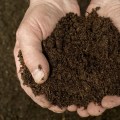
- Compost: This is decomposed organic matter, often made from kitchen scraps, yard waste, and other biodegradable materials. Compost enriches the soil with nutrients and improves its moisture retention.
- Mulch: Organic mulches, such as wood chips, straw, or shredded leaves, are spread on the soil surface to suppress weeds, retain moisture, and regulate soil temperature. As they break down, they also add nutrients back into the soil.
- Natural Fertilizers: These include materials like bone meal, blood meal, and fish emulsion. Unlike synthetic fertilizers, natural fertilizers release nutrients slowly and improve soil health over time.
- Green Manures: Cover crops such as clover or vetch are grown specifically to be tilled back into the soil.
They enhance soil fertility and structure while preventing erosion.
Benefits of Using Organic Materials in Sustainable Gardens
Utilizing organic materials in a sustainable garden is essential for fostering a healthy ecosystem. One of the primary benefits is the improvement of soil health. Organic materials, such as compost, manure, and cover crops, enrich the soil with vital nutrients and enhance its structure.This leads to better water retention and aeration, which are crucial for plant growth.Another significant advantage of using organic materials is the promotion of biodiversity. Organic gardening practices encourage a variety of organisms, from beneficial insects to microorganisms, which contribute to a balanced ecosystem. This diversity helps control pests naturally and reduces the need for chemical interventions, creating a more resilient garden.Moreover, organic materials play a critical role in reducing environmental impact. By choosing organic inputs, gardeners minimize the use of synthetic fertilizers and pesticides that can leach into waterways and harm local wildlife.
This not only protects the environment but also promotes healthier food production.In addition to these ecological benefits, organic gardening can also lead to improved crop quality. Plants grown in nutrient-rich, organic soil tend to be more flavorful and nutritious. This is particularly important for those who prioritize health and wellness in their dietary choices.In summary, the use of organic materials in sustainable gardens offers numerous benefits, including enhanced soil health, increased biodiversity, reduced environmental impact, and improved crop quality. These advantages underscore the importance of adopting sustainable garden practices that prioritize organic inputs for a thriving garden ecosystem.
How Organic Materials Improve Soil Health
Utilizing organic materials in a sustainable garden is crucial for enhancing soil health.These materials, which include compost, manure, and cover crops, play a significant role in improving the overall quality of the soil.
Organic matter
is essential for maintaining soil structure. When organic materials decompose, they create a network of particles that helps to bind soil together. This improved structure allows for better aeration and drainage, which are vital for root development and overall plant health.Moreover, organic materials significantly enhance nutrient retention. They act like sponges, holding onto essential nutrients such as nitrogen, phosphorus, and potassium.This retention not only reduces the need for synthetic fertilizers but also ensures that plants have a steady supply of nutrients over time.Another critical aspect of organic materials is their impact on microbial activity. Healthy soil teems with microorganisms that break down organic matter and release nutrients in forms that plants can absorb. By adding organic materials to your garden, you foster a diverse microbial community that contributes to nutrient cycling and disease suppression.
- Improved Soil Structure: Enhances aeration and drainage.
- Nutrient Retention: Reduces reliance on chemical fertilizers.
- Microbial Activity: Promotes a healthy ecosystem within the soil.
Incorporating Organic Materials into Your Garden
Incorporating organic materials into your garden is a fundamental aspect of sustainable garden practices.These materials not only enrich the soil but also promote a healthy ecosystem. Here are some practical tips for gardeners looking to enhance their gardens with organic matter.
Composting
One of the most effective ways to use organic materials is through composting. Composting involves collecting kitchen scraps, yard waste, and other biodegradable materials to create nutrient-rich compost. Here’s how to get started:- Choose a compost bin: Select a bin that suits your space and needs, whether it’s a simple pile or a contained bin.
- Add green and brown materials: Balance nitrogen-rich greens (like vegetable scraps) with carbon-rich browns (like dried leaves) for optimal decomposition.
- Maintain moisture: Keep the compost moist but not soggy, turning it regularly to aerate and speed up the process.
Mulching
Another excellent way to incorporate organic materials is through mulching.Mulch helps retain soil moisture, suppress weeds, and improve soil structure. Consider these options:
- Wood chips: Ideal for pathways and around trees, they break down slowly and provide long-lasting benefits.
- Straw or grass clippings: These materials decompose quickly, adding nutrients back into the soil while keeping it cool and moist.
- Shredded leaves: A free resource in the fall, they can be used as mulch to enrich the soil as they break down.
Selecting Organic Fertilizers
When it comes to feeding your plants, choosing the right organic fertilizers is crucial. Look for options such as:- Bone meal: A great source of phosphorus, promoting strong root development.
- Fish emulsion: Provides a quick nutrient boost and is rich in nitrogen.
- Kelp meal: Offers trace minerals and helps improve plant resilience against stress.
Common Misconceptions About Organic Gardening
Despite the growing popularity of organic gardening, several misconceptions persist that can deter gardeners from adopting these sustainable garden practices.Understanding and addressing these myths is crucial for fostering a more eco-friendly approach to gardening.
- Myth 1: Organic gardening is too difficult. Many believe that organic gardening requires extensive knowledge and experience. In reality, while it may involve different techniques than conventional gardening, it often emphasizes simplicity and natural processes. Beginners can start small, learning as they go.
- Myth 2: Organic materials are ineffective. Some skeptics argue that organic fertilizers and pest control methods do not work as well as their synthetic counterparts. However, numerous studies have shown that organic materials can be just as effective, if not more so, in promoting plant health and soil fertility.
- Myth 3: Organic gardening is more expensive. While some organic products may have a higher upfront cost, many organic practices can save money in the long run.
For instance, composting kitchen scraps and yard waste reduces the need for store-bought fertilizers and improves soil health.
- Myth 4: Organic gardens are less productive. This misconception stems from the belief that organic methods yield lower quantities of produce. However, many organic gardeners report comparable or even higher yields when using sustainable practices that enhance soil health and biodiversity.
This shift not only benefits their gardens but also contributes positively to the environment.
FAQs About Organic Materials in Sustainable Gardening
When it comes to sustainable garden practices, many gardeners have questions about the role of organic materials. Here are some frequently asked questions that can help clarify their importance:What are organic materials in gardening?
Organic materials refer to natural substances derived from living organisms, such as plant matter, animal manure, and compost. These materials enrich the soil, improve its structure, and promote a healthy ecosystem.Why should I use organic materials in my garden?
- Soil Health: Organic materials enhance soil fertility by adding essential nutrients and improving moisture retention.
- Biodiversity: They support a diverse range of microorganisms that contribute to a balanced ecosystem.
- Pest Management: Healthy soil leads to robust plants that are more resistant to pests and diseases.
Can I use kitchen scraps in my sustainable garden?
Absolutely! Kitchen scraps like vegetable peels, coffee grounds, and eggshells can be composted to create nutrient-rich organic matter. This practice not only reduces waste but also enriches your garden soil.What are some tips for incorporating organic materials?
- Composting: Start a compost bin to recycle organic waste and create your own fertilizer.
- Mulching: Use organic mulch such as straw or wood chips to retain moisture and suppress weeds.
- Crop Rotation: Rotate crops each season to prevent nutrient depletion and reduce pest buildup.
Conclusion: Embracing Organic Practices for a Sustainable Future
In conclusion, the integration of organic materials into sustainable garden practices is not merely a trend but a vital step towards fostering a healthier ecosystem.By choosing organic methods, gardeners can significantly reduce their environmental footprint while enhancing the vitality of their gardens. Utilizing organic materials such as compost, mulch, and natural fertilizers enriches the soil, promotes biodiversity, and supports the overall health of plants. These practices not only yield nutritious produce but also contribute to the resilience of the garden against pests and diseases. Moreover, embracing organic gardening techniques helps in:
- Reducing Chemical Runoff: Organic materials minimize the use of synthetic chemicals that can leach into waterways, protecting aquatic ecosystems.
- Enhancing Soil Health: Organic matter improves soil structure, increases water retention, and fosters beneficial microbial activity.
- Promoting Biodiversity: A sustainable garden that uses organic practices attracts a variety of beneficial insects and wildlife, creating a balanced ecosystem.