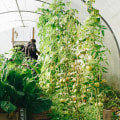
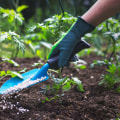
Sustainable gardening practices are essential for creating a thriving ecosystem that not only supports plant growth but also promotes biodiversity. By focusing on methods that work in harmony with nature, gardeners can effectively manage pests while minimizing the use of harmful chemicals. This approach not only protects the environment but also ensures that the food produced is safe and healthy for consumption. Understanding the principles of sustainable gardening is crucial for anyone looking to cultivate a garden that is both productive and environmentally friendly. These practices emphasize the importance of soil health, water conservation, and the use of natural pest control methods.
By integrating these elements, gardeners can create a balanced environment where beneficial insects thrive, helping to keep pest populations in check. As we delve into various pest control methods that align with sustainable practices, it becomes clear that the goal is not just to eliminate pests but to manage them in a way that supports the overall health of the garden. Techniques such as companion planting, crop rotation, and the introduction of natural predators can significantly reduce pest issues while enhancing soil fertility and plant resilience. Embracing these sustainable garden practices not only leads to healthier plants but also contributes to a more sustainable future for our planet.
The Importance of Integrated Pest Management (IPM)
Integrated Pest Management, or IPM, is a holistic approach to pest control that emphasizes the importance of balancing ecological health with effective pest management strategies. By focusing on sustainable practices, IPM aims to minimize the use of chemical pesticides while maximizing the health of your garden ecosystem.At its core, IPM involves understanding the life cycles and behaviors of pests, as well as their natural enemies.This knowledge allows gardeners to implement a variety of strategies that work in harmony with nature. Here are some key principles of sustainable pest control through IPM:
- Monitoring and Identification: Regularly inspect your garden for signs of pest activity. Accurate identification is crucial, as it helps determine whether intervention is necessary and which methods will be most effective.
- Prevention: Implement cultural practices that deter pests. This can include crop rotation, selecting resistant plant varieties, and maintaining healthy soil through composting and mulching.
- Biological Control: Encourage beneficial insects such as ladybugs and lacewings that prey on harmful pests.
Planting a diverse range of flowers can attract these natural predators to your garden.
- Mechanical Control: Use physical barriers like row covers or traps to protect plants from pests. Hand-picking larger pests can also be an effective method in smaller gardens.
- Targeted Chemical Use: If necessary, opt for organic pesticides that are less harmful to beneficial organisms and the environment. Always follow application guidelines to minimize impact.
Cultural Practices for Pest Control
Implementing cultural practices in your sustainable garden is essential for managing pests while promoting a healthy ecosystem.These methods focus on creating an environment that naturally deters pests and encourages beneficial organisms.
Crop Rotation
Crop rotation is a fundamental practice that involves changing the types of crops grown in a specific area each season. This technique disrupts the life cycles of pests and diseases that thrive on particular plants. For instance, if you plant tomatoes in one area this year, consider planting legumes or leafy greens in that same spot the following year. This not only helps in pest control but also improves soil health by varying nutrient demands and reducing soil depletion.Companion Planting
Companion planting is another effective cultural practice that involves growing different plants together to enhance growth and deter pests.Certain plants can repel harmful insects or attract beneficial ones. For example, planting marigolds alongside vegetables can help keep nematodes and aphids at bay. Similarly, basil planted near tomatoes can improve their flavor while repelling whiteflies.
- Enhances biodiversity: By incorporating various plants, you create a more resilient garden ecosystem.
- Reduces chemical dependency: Utilizing natural pest deterrents minimizes the need for synthetic pesticides.
- Improves pollination: Diverse plantings attract a wider range of pollinators, boosting overall garden productivity.
Biological Control Methods
One of the most effective sustainable garden practices is the implementation of biological control methods.This approach leverages the natural relationships between organisms to manage pest populations without the use of harmful chemicals. By introducing or encouraging beneficial insects and natural predators, gardeners can create a balanced ecosystem that naturally regulates pest numbers.
Beneficial Insects:
These insects play a crucial role in maintaining garden health. For instance, ladybugs are well-known for their voracious appetite for aphids, while lacewings can consume a variety of soft-bodied pests. By attracting these beneficial species to your garden, you can significantly reduce pest populations.
Planting flowers such as dill, fennel, and yarrow can help lure these helpful insects.
Natural Predators:
In addition to beneficial insects, other natural predators can be introduced to your garden. Birds, bats, and even certain reptiles can help keep pest numbers in check. Installing birdhouses or bat boxes can encourage these animals to take up residence in your garden, providing a natural form of pest control.
Creating a Habitat:
To maximize the effectiveness of biological control methods, it’s essential to create a welcoming habitat for these beneficial organisms. This includes:
- Diverse Planting: Incorporate a variety of plants to attract different species of beneficial insects.
- Avoiding Pesticides: Refrain from using chemical pesticides that can harm beneficial insects.
- Providing Shelter: Create areas with ground cover or native plants where beneficial insects can hide and reproduce.
This holistic approach not only protects plants but also contributes to the overall health of the environment.
Physical and Mechanical Controls
In a sustainable garden, employing physical and mechanical controls is essential for managing pests without resorting to harmful chemicals. These methods not only protect your plants but also promote a healthier ecosystem.Physical Controls
Physical controls involve using barriers and traps to prevent pests from accessing your plants. Here are some effective strategies:- Row Covers: Lightweight fabric can be draped over plants to create a protective barrier against insects while allowing sunlight and moisture to penetrate.
- Mulching: Applying organic mulch can deter pests by creating a physical barrier and improving soil health, which in turn supports plant resilience.
- Handpicking: Regularly inspecting plants and manually removing pests like caterpillars or beetles can significantly reduce their populations.
Mechanical Controls
Mechanical controls utilize tools and devices to manage pest populations effectively. Consider the following options:- Pest Traps: Sticky traps or bait traps can capture flying insects or crawling pests, helping to monitor and control their numbers.
- Insect Vacuums: These devices can be used to suck up pests directly from plants, providing a quick and chemical-free solution.
- Physical Barriers: Fencing or netting can keep larger pests like rabbits and deer away from your garden, ensuring that your plants remain safe.
Remember, the goal is not just to eliminate pests but to maintain a balanced ecosystem where beneficial insects can thrive alongside your crops.
Using Organic Pesticides Wisely
In the pursuit of a sustainable garden, utilizing organic pesticides can be an effective method for managing pest populations while minimizing harm to the environment. Unlike synthetic chemicals, organic pesticides are derived from natural sources and are designed to target specific pests without disrupting the ecosystem.Benefits of Organic Pesticides
- Eco-friendly: Organic pesticides break down more quickly in the environment, reducing the risk of soil and water contamination.
- Safety for Beneficial Insects: Many organic options are less harmful to beneficial organisms such as bees, ladybugs, and predatory wasps, which play crucial roles in pest control.
- Healthier Produce: Using organic methods can lead to healthier fruits and vegetables, free from harmful chemical residues.
Using Organic Pesticides Responsibly
To maximize the benefits of organic pesticides while minimizing potential drawbacks, consider the following guidelines:
- Identify the Pest: Before applying any pesticide, accurately identify the pest to ensure that you choose a product that targets it specifically.
- Follow Instructions: Always adhere to the manufacturer’s instructions regarding application rates and timing. Overuse can harm beneficial insects and lead to pest resistance.
- Apply at Optimal Times: Apply organic pesticides during calm weather conditions, ideally in the early morning or late evening when beneficial insects are less active.
- Monitor Results: After application, monitor your garden for changes in pest populations and the health of beneficial insects. Adjust your approach as necessary.
This approach not only promotes a healthier garden but also contributes to a more sustainable future.
Creating a Healthy Garden Ecosystem
Creating a healthy garden ecosystem is essential for sustainable gardening practices, as it fosters an environment where pests are naturally deterred. One of the foundational elements of this ecosystem is soil health. Healthy soil is rich in organic matter, nutrients, and beneficial microorganisms that support plant growth and resilience. To enhance soil health, consider implementing the following practices:- Composting: Incorporate compost into your garden to improve soil structure and fertility.
Compost adds essential nutrients and encourages microbial activity.
- Crop Rotation: Rotate your crops each season to prevent soil depletion and disrupt pest life cycles. This practice helps maintain nutrient balance and reduces the risk of disease.
- Cover Crops: Plant cover crops during the off-season to protect soil from erosion, suppress weeds, and enhance nutrient content.
- Diverse Planting: Incorporate a variety of plants, including native species, to create habitats for beneficial wildlife.
- Companion Planting: Use companion planting techniques to pair plants that can mutually benefit each other, such as marigolds with tomatoes to deter nematodes.
- Wildlife Habitats: Create habitats for birds and beneficial insects by adding birdhouses, insect hotels, and native flowering plants that provide food sources.
This holistic approach aligns with sustainable garden practices, ensuring a balanced environment that benefits both the gardener and the surrounding ecosystem.
Common FAQs About Sustainable Pest Control in Gardens
When it comes to sustainable pest control in gardens, many gardeners have questions about effective methods and practices. Here are some common FAQs that can help clarify your concerns:What are the best natural pest control methods?
Natural pest control methods include:- Companion planting: Planting certain plants together can deter pests. For example, marigolds can repel nematodes and other harmful insects.
- Beneficial insects: Introducing or attracting beneficial insects like ladybugs and lacewings can help control pest populations naturally.
- Homemade sprays: Solutions made from ingredients like garlic, neem oil, or soap can be effective against various pests.
How can I prevent pests in my sustainable garden?
Preventing pests is often easier than controlling them once they appear. Here are some tips:- Maintain healthy soil: Healthy plants are less susceptible to pests.
Use compost and organic fertilizers to enrich your soil.
- Regular monitoring: Check your plants regularly for signs of pests or disease. Early detection is key to effective management.
- Avoid monoculture: Planting a variety of species can reduce the risk of pest infestations.
Are chemical pesticides ever acceptable in a sustainable garden?
While the goal of a sustainable garden is to minimize chemical use, there may be rare instances where targeted chemical treatments are necessary. If you must use them, opt for organic pesticides that are less harmful to beneficial insects and the environment. Always follow application guidelines carefully. By understanding these common questions and implementing sustainable practices, you can effectively manage pests while maintaining a healthy garden ecosystem.Conclusion: Embracing Sustainable Practices for a Thriving Garden
In conclusion, adopting sustainable garden practices is essential for creating a thriving ecosystem that not only supports plant health but also promotes biodiversity.By implementing the various methods discussed, gardeners can effectively manage pests while minimizing their environmental impact. Utilizing integrated pest management (IPM) techniques allows for a balanced approach, combining biological control, cultural practices, and mechanical methods. This holistic strategy reduces reliance on chemical pesticides, fostering a healthier garden environment. Moreover, encouraging natural predators such as ladybugs and lacewings can significantly decrease pest populations. Planting a diverse range of species and incorporating native plants can attract these beneficial insects, enhancing the overall resilience of your garden. Regular monitoring and early intervention are also crucial components of sustainable pest control. By keeping a close eye on plant health and pest activity, gardeners can address issues before they escalate, ensuring that their gardens remain vibrant and productive. Finally, educating oneself about the specific needs of plants and pests in your region can lead to more informed decisions.
Resources such as local extension services or gardening clubs can provide valuable insights tailored to your area. In summary, embracing sustainable practices not only leads to effective pest control but also contributes to the long-term health of our planet. By prioritizing ecological balance in our gardens, we can cultivate spaces that are not only beautiful but also sustainable for future generations.