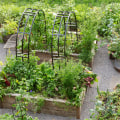
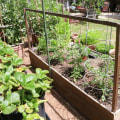
In recent years, the concept of sustainable gardening has gained significant traction as more individuals and communities recognize the importance of environmentally friendly practices in agriculture. Sustainable gardening is not merely a trend; it represents a holistic approach to cultivating plants that prioritizes ecological balance, resource conservation, and the health of both the soil and the gardener. By implementing sustainable garden practices, gardeners can create thriving ecosystems that support biodiversity while producing healthy food. The benefits of sustainable gardening extend beyond personal satisfaction. These practices contribute to the reduction of chemical inputs, promote soil health, and enhance water conservation.
For instance, by utilizing organic fertilizers and natural pest control methods, gardeners can minimize their environmental footprint while still achieving productive yields. Moreover, sustainable gardening fosters a deeper connection between individuals and their food sources, encouraging a greater appreciation for nature and its resources. As we delve into specific techniques such as crop rotation, it becomes clear that these methods are not only beneficial for the garden but also essential for long-term agricultural sustainability. Crop rotation helps prevent soil depletion, reduces pest populations, and enhances nutrient availability, making it a cornerstone of effective sustainable gardening. Understanding these principles is crucial for anyone looking to cultivate a garden that thrives in harmony with nature.
What is Crop Rotation?
Crop rotation is an agricultural practice that involves alternating the types of crops grown in a specific area across different growing seasons.This method is rooted in the principles of sustainable gardening, aiming to enhance soil health, reduce pest and disease pressure, and improve overall crop yields.At its core, crop rotation is based on the understanding that different plants have varying nutrient requirements and pest vulnerabilities. By rotating crops, gardeners can prevent the depletion of specific nutrients in the soil and disrupt the life cycles of pests and diseases that thrive on particular plants.
Benefits of Crop Rotation
- Soil Health Improvement: Different crops contribute to soil fertility in unique ways. For instance, legumes like beans and peas fix nitrogen in the soil, enriching it for subsequent crops.
- Pest and Disease Management: Rotating crops can break the cycle of pests and diseases that may become established when the same crop is grown repeatedly.
- Weed Control: Changing crops can help manage weed populations by altering their growing conditions, making it harder for them to establish.
- Diverse Harvests: Implementing crop rotation allows for a variety of crops to be harvested throughout the growing season, promoting biodiversity in your garden.
Benefits of Crop Rotation in Sustainable Gardening
Implementing crop rotation in a sustainable garden offers numerous benefits that contribute to overall garden health and productivity.By alternating the types of crops grown in a specific area, gardeners can enhance soil quality, manage pests, and promote biodiversity.
Improved Soil Health
One of the primary advantages of crop rotation is its positive impact on soil health. Different plants have varying nutrient requirements and root structures, which means that rotating crops can help prevent nutrient depletion. For instance, legumes such as beans and peas fix nitrogen in the soil, enriching it for subsequent crops like corn or tomatoes that require higher nitrogen levels. This natural replenishment reduces the need for synthetic fertilizers, aligning with sustainable gardening practices.Pest and Disease Management
Crop rotation also plays a crucial role in pest management.Many pests and diseases are crop-specific; by changing the type of crop grown in a particular area, gardeners can disrupt the life cycles of these pests. For example, if a gardener grows tomatoes one year and then rotates to a different family of plants like carrots or lettuce the next year, it can significantly reduce the risk of tomato blight or other tomato-specific pests.
Enhanced Biodiversity
Another significant benefit of crop rotation is the promotion of biodiversity. Diverse plantings can attract beneficial insects and pollinators while providing habitats for various organisms. This diversity not only supports a healthier ecosystem but also contributes to more resilient garden systems that can better withstand environmental stresses.In summary, incorporating crop rotation into sustainable gardening practices leads to improved soil health, effective pest management, and enhanced biodiversity.These benefits collectively contribute to a more productive and environmentally friendly garden.
Planning Your Crop Rotation Schedule
Implementing a successful crop rotation schedule is essential for maintaining a sustainable garden. By planning your crop rotation effectively, you can enhance soil health, reduce pest and disease pressure, and improve overall yields. Here are some practical steps to help you create an effective crop rotation plan tailored to your garden's needs.- Understand Plant Families: Begin by categorizing your plants into their respective families. For instance, legumes (like beans and peas), brassicas (such as cabbage and broccoli), and nightshades (including tomatoes and peppers) each have different nutrient requirements and pest profiles.
This knowledge will guide your rotation.
- Map Your Garden Layout: Create a visual representation of your garden space. This can be a simple sketch that outlines where each plant type will be located. Consider factors such as sunlight, soil type, and moisture levels when planning your layout.
- Establish a Rotation Cycle: A typical crop rotation cycle lasts 3 to 4 years. During this time, rotate crops so that no plant family occupies the same space consecutively.
For example, if you plant tomatoes in one bed this year, follow with legumes the next year to replenish nitrogen in the soil.
- Incorporate Cover Crops: Between main crops, consider planting cover crops like clover or rye. These plants can improve soil structure, prevent erosion, and add organic matter when tilled back into the soil.
- Monitor Soil Health: Regularly test your soil to understand its nutrient levels and pH balance. Adjust your crop choices based on these results to ensure optimal growth conditions for each plant family.
Choosing the Right Crops for Rotation
Implementing crop rotation in a sustainable garden begins with the careful selection of crops that complement each other and contribute to soil health.Understanding the nutrient needs and growth habits of various plants is essential for creating a balanced ecosystem.
Best Crops for Rotation
- Legumes: Plants like beans and peas are excellent choices as they fix nitrogen in the soil, enriching it for subsequent crops.
- Leafy Greens: Crops such as spinach and lettuce thrive in nutrient-rich soil, making them ideal candidates to follow legumes.
- Root Vegetables: Carrots and beets can benefit from the nitrogen left behind by legumes, while also helping to aerate the soil.
- Brassicas: Cabbage, broccoli, and kale are heavy feeders that can follow root vegetables, utilizing the nutrients released during their growth cycle.
Selecting Crops for Sustainable Gardening
When selecting crops for rotation, consider their growth habits. For instance, deep-rooted plants can help break up compacted soil layers, while shallow-rooted plants can improve surface soil structure. Additionally, alternating between annuals and perennials can enhance biodiversity and reduce pest populations.
Crop Selection for Rotation
To maximize the benefits of crop rotation, it’s crucial to plan your garden layout. Group crops into families based on their nutrient requirements:
- Nitrogen-fixing crops: Rotate legumes with heavy feeders.
- Heavy feeders: Follow with crops that require fewer nutrients.
- Soil builders: Incorporate cover crops during off-seasons to maintain soil health.
By choosing the right crops for rotation, you can ensure that your sustainable garden thrives year after year.
Implementing Crop Rotation: Step-by-Step Guide
Implementing crop rotation in your sustainable garden is a practical way to enhance soil health, reduce pest problems, and improve overall yield. Here’s a step-by-step guide to help you get started:- Assess Your Garden Layout: Begin by mapping out your garden. Identify the different areas where you plan to grow various crops. This will help you visualize how to rotate your plants effectively.
- Group Plants by Family: Organize your crops into groups based on their botanical families.
For example, legumes (like beans and peas), brassicas (like cabbage and broccoli), and nightshades (like tomatoes and peppers) should be categorized together. This grouping is crucial for effective rotation.
- Create a Rotation Plan: Develop a rotation schedule that spans at least three years. Each year, move the plant families to a different section of your garden. For instance, if you plant legumes in Year 1, follow with brassicas in Year 2, and nightshades in Year 3.
- Incorporate Cover Crops: Between main crop rotations, consider planting cover crops such as clover or rye.
These plants can improve soil structure, add nutrients, and suppress weeds.
- Monitor Soil Health: Regularly test your soil to monitor nutrient levels and pH balance. Adjust your crop choices based on these results to ensure optimal growth conditions.
- Document Your Progress: Keep a gardening journal to track what you planted, when you planted it, and the outcomes. This documentation will help refine your rotation strategy over time.
Common Mistakes to Avoid in Crop Rotation
Implementing crop rotation in a sustainable garden can significantly enhance soil health and reduce pest issues, but many gardeners fall into common traps that can undermine their efforts.Here are some frequent mistakes to avoid:
- Neglecting Soil Health: One of the primary goals of crop rotation is to improve soil fertility. Failing to consider the nutrient needs of different plants can lead to soil depletion. Always assess your soil's nutrient profile and rotate crops that replenish essential nutrients.
- Ignoring Plant Families: Planting crops from the same family in succession can lead to increased pest and disease problems. For example, if you plant tomatoes (a nightshade) year after year, you may invite pests that specifically target nightshades.
Rotate with plants from different families to break these cycles.
- Inconsistent Rotation Plans: A haphazard approach to crop rotation can yield poor results. Establish a clear rotation plan that outlines which crops will be planted in each section of your garden over several seasons. This helps maintain balance and prevents the buildup of pests and diseases.
- Overlooking Companion Planting: Some gardeners forget that certain plants can benefit from being grown together. Incorporating companion planting into your rotation can enhance growth and deter pests.
For instance, planting marigolds alongside vegetables can help repel harmful insects.
- Not Keeping Records: Failing to document what you plant and where can lead to confusion in future seasons. Keep a gardening journal to track your crop rotations, noting what worked well and what didn’t. This will help you refine your approach over time.
FAQs About Crop Rotation and Sustainable Gardening
Implementing crop rotation in a sustainable garden can raise several questions.Here are some of the most frequently asked questions regarding this practice:
- What is crop rotation? Crop rotation is the practice of growing different types of crops in the same area across a sequence of seasons. This method helps to improve soil health, reduce pest and disease problems, and enhance biodiversity.
- Why is crop rotation important for sustainable gardening? Crop rotation is crucial for sustainable gardening as it helps maintain soil fertility, reduces the need for chemical fertilizers, and minimizes the risk of soil erosion. By alternating crops, gardeners can also disrupt pest cycles and prevent the buildup of pathogens.
- How do I plan a crop rotation schedule? A good crop rotation schedule typically involves grouping plants by their families and rotating them every season. For example, legumes can be planted one year to fix nitrogen in the soil, followed by leafy greens that benefit from this nutrient-rich environment.
- Can I use cover crops in my rotation? Yes! Incorporating cover crops into your rotation can enhance soil structure, prevent erosion, and suppress weeds.
They can be planted during off-seasons to improve soil health.
- What are some common mistakes to avoid with crop rotation? Some common mistakes include not rotating crops frequently enough, planting similar crops in succession, or failing to consider soil health indicators. It's essential to monitor your garden's health and adjust your rotation plan accordingly.
Conclusion: Embracing Crop Rotation for a Sustainable Future
In conclusion, crop rotation stands out as a vital practice for anyone committed to creating a sustainable garden. By systematically changing the types of crops grown in specific areas, gardeners can significantly enhance soil health, reduce pest populations, and improve overall biodiversity. This method not only fosters a more resilient ecosystem but also contributes to the long-term productivity of the garden.Implementing crop rotation involves several key strategies:- Diversity of Crops: Incorporating a variety of plants helps break pest and disease cycles.
For instance, rotating legumes with leafy greens can replenish nitrogen levels in the soil.
- Seasonal Planning: Understanding the growth cycles of different plants allows gardeners to plan their rotations effectively. Cool-season crops can be followed by warm-season varieties to maximize yield.
- Soil Management: Different crops have varying nutrient requirements and root structures. By alternating deep-rooted and shallow-rooted plants, gardeners can improve soil structure and nutrient availability.
By integrating this practice into your gardening routine, you are not just cultivating plants; you are nurturing the earth and ensuring that your garden thrives for generations to come.