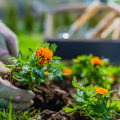
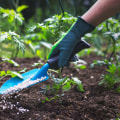
Sustainable garden practices encompass a range of techniques and philosophies aimed at creating a harmonious relationship between gardening and the environment. At its core, sustainable gardening prioritizes ecological balance, resource conservation, and the health of both the soil and the surrounding ecosystem. By adopting these practices, gardeners can significantly reduce their environmental footprint while enhancing the biodiversity of their gardens. So, what exactly are sustainable garden practices? They include methods such as organic gardening, permaculture, and the use of native plants. These approaches not only minimize the use of harmful chemicals but also promote soil health through natural composting and crop rotation.
Additionally, sustainable gardening encourages water conservation through techniques like rainwater harvesting and drip irrigation, ensuring that every drop counts in maintaining a thriving garden. The benefits of sustainable gardening extend far beyond personal enjoyment; they play a crucial role in combating climate change and preserving natural habitats. By fostering a diverse ecosystem, sustainable gardens can attract beneficial insects and pollinators, which are essential for food production. Furthermore, these practices help to sequester carbon in the soil, contributing to a healthier planet. As we delve deeper into the environmental advantages of sustainable garden practices, it becomes clear that every small effort contributes to a larger movement towards ecological sustainability.
Reducing Carbon Footprint Through Sustainable Gardening
Sustainable garden practices play a crucial role in reducing carbon emissions and mitigating climate change.By implementing eco-friendly techniques, gardeners can significantly lower their carbon footprint while promoting biodiversity and enhancing soil health.One of the primary ways sustainable gardening contributes to lower carbon emissions is through the use of organic materials. By opting for organic fertilizers and compost, gardeners can reduce the reliance on synthetic chemicals that often require fossil fuels for production. This shift not only minimizes greenhouse gas emissions but also enriches the soil, leading to healthier plants that can sequester more carbon.Additionally, sustainable gardening encourages practices such as:
- Crop rotation: This method helps maintain soil fertility and reduces the need for chemical fertilizers, which can release carbon into the atmosphere.
- Mulching: Applying organic mulch conserves moisture, suppresses weeds, and reduces the need for irrigation, which can be energy-intensive.
- Native planting: Using native plants requires less water and maintenance, leading to lower energy consumption and reduced carbon emissions associated with lawn care.
By reducing reliance on fossil fuels, enhancing soil health, and promoting biodiversity, gardeners can make a significant impact on lowering their overall carbon emissions while contributing to a healthier planet.
Enhancing Biodiversity in Your Garden
Implementing sustainable garden practices is crucial for enhancing biodiversity in your garden. A diverse ecosystem not only supports a variety of plant species but also attracts numerous wildlife, including beneficial insects, birds, and other animals. By fostering biodiversity, you create a resilient environment that can better withstand pests and diseases.One effective way to promote biodiversity is by incorporating native plants into your garden. Native plants are well-adapted to the local climate and soil conditions, requiring less water and fewer chemical inputs than non-native species.They also provide essential habitats and food sources for local wildlife, particularly pollinators such as bees, butterflies, and hummingbirds.
- Support Pollinators: Planting a variety of flowering native plants ensures that pollinators have access to food throughout the growing season. This is vital for their survival and helps in the pollination of other plants in your garden.
- Create Habitats: Incorporating different layers of vegetation—such as ground covers, shrubs, and trees—creates diverse habitats that can support various species. This layered approach mimics natural ecosystems and encourages wildlife to thrive.
- Reduce Chemical Use: By practicing organic gardening methods, such as composting and using natural pest control, you minimize harmful chemicals that can disrupt local ecosystems. This not only protects beneficial insects but also promotes healthier soil.
These elements not only enhance the beauty of your garden but also contribute significantly to the overall health of the ecosystem.Ultimately, embracing sustainable garden practices that prioritize biodiversity leads to a more vibrant and productive garden. By creating a welcoming environment for various species, you play a vital role in supporting the planet's ecological balance.
Soil Health and Sustainable Practices
Sustainable garden practices play a pivotal role in enhancing soil health, which is essential for fostering a thriving ecosystem. By focusing on methods such as composting and utilizing organic fertilizers, gardeners can significantly improve the quality of their soil while also contributing to environmental sustainability.Composting
is one of the most effective sustainable practices that enriches soil. It involves recycling organic waste, such as kitchen scraps and yard debris, into nutrient-rich compost.This process not only reduces landfill waste but also returns vital nutrients back to the soil. When applied to gardens, compost enhances soil structure, increases moisture retention, and promotes beneficial microbial activity. As a result, plants can access nutrients more efficiently, leading to healthier growth.Another key aspect of sustainable gardening is the use of organic fertilizers. Unlike synthetic fertilizers, which can leach into waterways and harm aquatic ecosystems, organic options are derived from natural sources and improve soil fertility without causing environmental damage.
These fertilizers release nutrients slowly, providing a steady supply for plants while minimizing the risk of nutrient runoff.Moreover, sustainable practices such as crop rotation and cover cropping further contribute to soil health. Crop rotation helps prevent soil depletion by alternating the types of plants grown in a specific area, which can reduce pest populations and disease incidence. Cover crops, on the other hand, protect the soil from erosion and enhance its organic matter content when tilled back into the ground.In summary, adopting sustainable garden practices not only benefits individual gardens but also has a profound impact on the environment. By improving soil health through composting and organic gardening techniques, we can create resilient ecosystems that support biodiversity and promote long-term sustainability.
Water Conservation Techniques in Sustainable Gardening
Water conservation is a critical aspect of sustainable garden practices, especially in regions prone to drought or water scarcity.By implementing effective water-saving techniques, gardeners can significantly reduce their water usage while maintaining healthy and vibrant gardens.
Drought-Resistant Plants
One of the most effective ways to conserve water in the garden is by selecting drought-resistant plants. These plants are adapted to thrive in low-water conditions and require less irrigation once established. Examples include succulents, lavender, and native grasses. Incorporating these species not only reduces water consumption but also supports local ecosystems by providing habitats for native wildlife.Efficient Irrigation Methods
Another essential technique in sustainable gardening is the use of efficient irrigation methods.Traditional sprinkler systems can lead to significant water loss through evaporation and runoff. Instead, consider the following alternatives:
- Drip Irrigation: This method delivers water directly to the plant's roots, minimizing waste and ensuring that each plant receives the moisture it needs.
- Soaker Hoses: These porous hoses allow water to seep out slowly along their length, providing consistent moisture to garden beds without excessive runoff.
- Rainwater Harvesting: Collecting rainwater from roofs and directing it to storage barrels can provide a sustainable source of irrigation during dry spells.
Pest Management Without Harmful Chemicals
Incorporating sustainable garden practices into your gardening routine can significantly reduce the reliance on harmful chemicals for pest management.By embracing natural pest control methods, gardeners can create a healthier ecosystem that benefits both plants and the environment.One effective approach is integrated pest management (IPM), which combines various strategies to manage pests in an environmentally friendly way. This method emphasizes understanding the life cycles of pests and their natural predators, allowing gardeners to intervene only when necessary.
- Encouraging Beneficial Insects: Attracting beneficial insects such as ladybugs, lacewings, and predatory wasps can help keep pest populations in check. Planting a variety of flowers and herbs can provide food and habitat for these helpful creatures.
- Companion Planting: Certain plants can naturally repel pests or attract beneficial insects when grown together. For example, marigolds are known to deter nematodes, while basil can repel flies and mosquitoes.
- Physical Barriers: Using row covers, nets, or traps can physically block pests from reaching your plants without the need for chemical interventions.
Healthy plants are less susceptible to infestations, reducing the need for chemical treatments. Regularly adding organic matter, such as compost, not only nourishes the soil but also promotes a diverse microbial community that supports plant health.By adopting these chemical-free gardening techniques, gardeners contribute to a more sustainable environment. Reducing chemical usage not only protects local wildlife but also minimizes water pollution and soil degradation. Ultimately, sustainable garden practices foster a balanced ecosystem where plants thrive alongside their natural companions.
Community Impact of Sustainable Gardening Practices
Sustainable gardening practices not only enhance individual gardens but also have a profound impact on the community as a whole.By fostering community engagement through initiatives like community gardens, these practices create spaces where individuals can come together, share knowledge, and cultivate relationships.
Community Gardens
- Community gardens serve as a hub for local residents, allowing them to grow their own food while promoting biodiversity.
- These gardens often transform underutilized spaces into vibrant areas that encourage social interaction and collaboration.
- They provide access to fresh produce, which is especially beneficial in urban areas where food deserts may exist.
- Reduce the carbon footprint associated with transporting food over long distances.
- Support local economies by purchasing seeds, plants, and supplies from nearby businesses.
- Encourage seasonal eating habits that align with local agricultural cycles.
Social Benefits of Gardening
The social benefits of sustainable gardening extend beyond just food production. Engaging in gardening activities can:
- Enhance mental well-being by providing a therapeutic outlet for stress relief.
- Foster a sense of community ownership and pride as residents work together towards common goals.
- Encourage educational opportunities for all ages, teaching valuable skills related to sustainability and environmental stewardship.
FAQs About Sustainable Garden Practices
As interest in sustainable garden practices grows, many people have questions about what these practices entail and how they can be effectively implemented.Here are some frequently asked questions that can help clarify common misconceptions and provide valuable insights.
- What are sustainable garden practices?
Sustainable garden practices refer to methods that promote environmental health, conserve resources, and enhance biodiversity. These practices include using organic fertilizers, implementing crop rotation, and conserving water through efficient irrigation techniques. - Do sustainable gardening methods require more effort?
While some may perceive sustainable gardening as labor-intensive, many practices can lead to less work over time. For instance, establishing native plants can reduce the need for watering and maintenance. - Is organic gardening the same as sustainable gardening?
Although organic gardening is a component of sustainable practices, it is not synonymous with it. Sustainable gardening encompasses a broader range of practices aimed at maintaining ecological balance. - Can I still use pesticides in a sustainable garden?
While traditional pesticides are discouraged, there are eco-friendly alternatives available.Integrated Pest Management (IPM) strategies can help control pests while minimizing harm to beneficial insects and the environment.
- How do sustainable practices impact local wildlife?
Implementing sustainable garden practices can create habitats for local wildlife, including pollinators like bees and butterflies. By planting diverse species and avoiding harmful chemicals, gardeners can support local ecosystems.
Conclusion: The Future of Gardening is Sustainable
In conclusion, the adoption of sustainable garden practices is not merely a trend but a vital necessity for the health of our planet. As we have explored throughout this article, these practices offer numerous environmental benefits that extend beyond the garden itself. By implementing techniques such as composting, organic pest control, and water conservation, gardeners can significantly reduce their ecological footprint. These methods not only enhance soil health and biodiversity but also contribute to the reduction of greenhouse gas emissions.For instance, composting organic waste helps divert materials from landfills while enriching the soil with essential nutrients. Moreover, sustainable gardening promotes the use of native plants, which are better adapted to local climates and require less water and maintenance. This practice supports local wildlife, including pollinators like bees and butterflies, which are crucial for maintaining healthy ecosystems. As we look to the future, it is clear that embracing sustainable garden practices is essential for fostering a resilient environment. By making conscious choices in our gardening methods, we can contribute to a more sustainable world. The collective impact of individual efforts can lead to significant changes in our communities and beyond. Ultimately, the future of gardening lies in our hands.
By prioritizing sustainability in our gardens, we not only cultivate beautiful spaces but also play a crucial role in protecting our planet for generations to come.