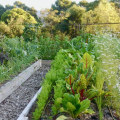
Soil erosion is a natural process that can have devastating effects on the health of a garden. It occurs when the top layer of soil, which is rich in nutrients and organic matter, is worn away by wind, water, or human activity. This loss of soil not only diminishes the land's fertility but also disrupts the delicate balance of the ecosystem, leading to a decline in plant health and productivity. In a sustainable garden, where the goal is to maintain a thriving environment for both plants and wildlife, understanding the causes and consequences of soil erosion is crucial. The impact of soil erosion on gardens can be profound.
As the nutrient-rich topsoil erodes, plants struggle to access the essential minerals and moisture they need to grow. This can result in stunted growth, reduced yields, and increased vulnerability to pests and diseases. Furthermore, eroded soil can lead to sedimentation in nearby waterways, harming aquatic ecosystems and contributing to water quality issues. For gardeners committed to sustainable practices, addressing soil erosion is not just an environmental concern; it is vital for ensuring long-term garden health. Implementing effective strategies to combat soil erosion is essential for any gardener looking to create a sustainable garden.
By adopting practices such as crop rotation, mulching, and cover cropping, gardeners can enhance soil structure and fertility while minimizing erosion risks. These methods not only protect the soil but also promote biodiversity and resilience within the garden ecosystem. Understanding how these sustainable gardening practices work together to prevent soil erosion sets the foundation for cultivating a flourishing garden that thrives for years to come.
What is Crop Rotation?
Crop rotation is an agricultural practice that involves alternating the types of crops grown in a specific area across different growing seasons. This method is rooted in the principles of sustainable gardening practices, aiming to enhance soil health, reduce pest and disease cycles, and improve overall crop yields.The fundamental idea behind crop rotation is to prevent the depletion of soil nutrients that can occur when the same crop is planted repeatedly in the same location.Different plants have varying nutrient requirements and uptake patterns, which means that rotating crops can help maintain a balanced nutrient profile in the soil.
Benefits of Crop Rotation
- Improved Soil Structure: Different root systems from various crops can enhance soil aeration and water infiltration, reducing compaction and promoting healthier soil.
- Nutrient Management: Leguminous crops, such as beans and peas, can fix nitrogen in the soil, replenishing this essential nutrient for subsequent crops.
- Pest and Disease Control: By changing the crops grown in a particular area, gardeners can disrupt the life cycles of pests and diseases that thrive on specific plants.
- Weed Suppression: Different crops can outcompete weeds for resources, reducing their prevalence and minimizing the need for chemical herbicides.
How Crop Rotation Prevents Soil Erosion
Crop rotation is a vital practice in sustainable garden practices that significantly contributes to preventing soil erosion. By alternating the types of crops grown in a specific area, gardeners can enhance soil structure and health, which are crucial for maintaining a stable environment.Root Structures
: Different plants have varying root systems that interact with the soil in unique ways. For instance, deep-rooted plants like alfalfa can penetrate compacted layers of soil, creating channels that improve water infiltration and reduce runoff.
In contrast, shallow-rooted crops, such as lettuce, help bind the topsoil together. This diversity in root structures not only stabilizes the soil but also minimizes the risk of erosion during heavy rains.
Nutrient Cycling
: Crop rotation also plays a crucial role in nutrient cycling. Different crops have distinct nutrient requirements and contributions. For example, legumes like peas and beans fix nitrogen in the soil, enriching it for subsequent crops.
This natural replenishment reduces the need for chemical fertilizers, which can lead to runoff and further erosion. By maintaining nutrient balance, crop rotation fosters healthier soils that are less prone to degradation.
Ground Cover
: Implementing crop rotation encourages the use of cover crops during off-seasons. These plants protect the soil from wind and water erosion while improving organic matter content. Cover crops such as clover or rye not only shield the soil but also enhance its structure and fertility when tilled back into the ground.
This practice is essential for sustainable gardening techniques aimed at preserving soil integrity.In summary, crop rotation is an effective strategy for preventing soil erosion in sustainable gardens. By leveraging diverse root structures, promoting nutrient cycling, and utilizing ground cover, gardeners can create resilient ecosystems that support both plant health and environmental sustainability.
Choosing the Right Crops for Rotation
Choosing the right crops for rotation is essential in establishing sustainable garden practices that effectively combat soil erosion. By selecting a diverse range of plants, gardeners can enhance soil structure, improve nutrient cycling, and reduce pest pressures.Best Crops for Rotation
- Legumes: Plants like peas and beans are excellent choices as they fix nitrogen in the soil, enriching it for subsequent crops.
- Brassicas: Cabbage, broccoli, and kale can help break up compacted soil and deter certain pests.
- Root Vegetables: Carrots and beets can improve soil aeration and structure as their roots penetrate deep into the ground.
- Grains: Incorporating grains such as oats or rye can provide ground cover during off-seasons, preventing erosion.
Crop Selection for Sustainable Gardening
When selecting crops for rotation, consider their growth habits and nutrient needs. For instance, pairing heavy feeders like tomatoes with lighter feeders such as lettuce can optimize nutrient use.
Additionally, rotating crops from different plant families helps disrupt pest and disease cycles, promoting a healthier garden ecosystem.
Companion Planting
Companion planting is another effective strategy to enhance crop rotation. By planting compatible species together, gardeners can maximize space and resources while minimizing pest issues. For example, planting marigolds alongside vegetables can deter nematodes and other harmful insects. Similarly, combining corn with beans allows the beans to climb the corn stalks while benefiting from the nitrogen-rich environment created by the legumes.In summary, thoughtful crop selection and companion planting are vital components of a successful crop rotation strategy in a sustainable garden.
By implementing these practices, gardeners can significantly reduce soil erosion while fostering a thriving ecosystem.
Implementing Crop Rotation in Your Garden
Implementing crop rotation in your garden is a vital step towards enhancing soil health and preventing erosion. By alternating the types of crops you grow in a specific area, you can improve soil structure, reduce nutrient depletion, and minimize pest and disease cycles.Steps to Implement Crop Rotation:
- Plan Your Garden Layout: Start by mapping out your garden space. Divide it into sections where different crops will be planted in successive seasons. This helps in visualizing the rotation schedule.
- Select Crop Families: Group your plants into families based on their nutrient needs and growth habits.
For example, legumes (like beans and peas) enrich the soil with nitrogen, while leafy greens (like lettuce and spinach) require more nitrogen.
- Create a Rotation Schedule: Develop a simple schedule that outlines which crops will be planted in each section over the growing seasons. A common practice is to rotate crops every year or every two years. For instance, after planting legumes one year, follow with root vegetables the next year.
- Monitor Soil Health: Regularly check the soil quality in each section. Look for signs of erosion or nutrient depletion.
Adjust your rotation plan as needed based on these observations.
- Incorporate Cover Crops: Between main crop rotations, consider planting cover crops like clover or rye. These not only protect the soil from erosion but also improve its fertility when tilled back into the ground.
Additional Sustainable Practices to Complement Crop Rotation
Incorporating sustainable gardening practices alongside crop rotation can significantly enhance soil health and further prevent erosion. Here are some effective techniques to consider:- Cover Cropping: Planting cover crops during the off-season helps protect the soil from erosion.
These plants, such as clover or rye, not only shield the soil but also improve its structure and fertility when tilled back into the ground.
- Mulching: Applying a layer of organic mulch, such as straw or wood chips, can reduce soil erosion by protecting the topsoil from wind and water runoff. Mulch also retains moisture and adds nutrients as it decomposes.
- No-Till Gardening: Minimizing soil disturbance through no-till methods preserves soil structure and prevents erosion. This practice encourages beneficial microorganisms and maintains organic matter in the soil.
- Composting: Adding compost enriches the soil with nutrients and improves its ability to retain moisture. Healthy soil is less prone to erosion, making composting an essential part of organic gardening methods.
- Contour Farming: Implementing contour farming techniques involves planting along the natural contours of the land.
This method slows down water runoff and reduces soil erosion by creating natural barriers.
Common Questions About Crop Rotation and Soil Erosion
Understanding the relationship between crop rotation and soil erosion is crucial for anyone interested in sustainable garden practices. Here are some common questions that gardeners often have:- What is crop rotation?
Crop rotation is the practice of growing different types of crops in the same area across a sequence of seasons. This method helps maintain soil health and fertility while reducing pest and disease buildup. - How does crop rotation prevent soil erosion?
By alternating crops, you can improve soil structure and reduce compaction.Different root systems help bind the soil together, which minimizes erosion caused by wind and water.
- Can crop rotation improve soil fertility?
Yes! Different crops have varying nutrient requirements. For instance, legumes can fix nitrogen in the soil, enriching it for subsequent crops. This natural replenishment reduces the need for chemical fertilizers. - What types of crops should I rotate?
A good rotation plan includes a mix of legumes, leafy greens, root vegetables, and grains. This diversity not only enhances soil health but also disrupts pest cycles. - How often should I rotate my crops?
Ideally, you should rotate your crops every season or at least every year.This practice helps prevent nutrient depletion and reduces the risk of soil erosion.
Conclusion: The Importance of Sustainable Practices in Gardening
In conclusion, implementing sustainable garden practices such as crop rotation is essential for maintaining soil health and preventing erosion. By rotating crops, gardeners can enhance soil structure, improve nutrient availability, and reduce the risk of pest infestations. This practice not only supports the growth of diverse plant species but also fosters a resilient ecosystem that can withstand environmental challenges.Moreover, crop rotation contributes to the long-term sustainability of gardening efforts. It minimizes the reliance on chemical fertilizers and pesticides, promoting a more natural approach to gardening that aligns with ecological principles.As soil erosion continues to be a pressing issue in many regions, adopting these practices becomes increasingly vital.
- Enhances Soil Structure: Different root systems from various crops help to aerate the soil and improve its overall structure.
- Reduces Nutrient Depletion: By alternating crops with different nutrient needs, gardeners can prevent the depletion of essential soil nutrients.
- Encourages Biodiversity: A diverse planting strategy attracts beneficial insects and microorganisms that contribute to a healthy garden ecosystem.