In recent years, the concept of sustainable garden practices has gained significant traction among gardeners and environmentalists alike. These practices focus on creating a garden that not only thrives but also contributes positively to the surrounding ecosystem. By incorporating methods that prioritize ecological balance, gardeners can cultivate spaces that are both productive and environmentally friendly. This approach is essential in combating the adverse effects of climate change and promoting biodiversity. The benefits of sustainable gardening extend beyond mere aesthetics; they play a crucial role in conserving resources, reducing waste, and enhancing soil health.
For instance, utilizing organic materials such as compost not only enriches the soil but also minimizes the need for chemical fertilizers, which can be harmful to local wildlife and waterways. Furthermore, sustainable gardens often incorporate native plants that require less water and maintenance, making them more resilient to pests and diseases. By adopting eco-friendly gardening practices, individuals can create a harmonious relationship with nature. This includes techniques such as crop rotation, companion planting, and the use of natural pest control methods. Each of these strategies contributes to a healthier garden ecosystem while also providing a sanctuary for beneficial insects and wildlife.
As we delve deeper into the various aspects of sustainable gardening, it becomes clear that these practices are not just beneficial for our gardens but are vital for the planet's health as well.
The Role of Composting in Sustainable Gardening
Composting plays a pivotal role in sustainable garden practices, serving as a natural method to recycle organic waste while enhancing the overall health of the garden ecosystem. By converting kitchen scraps, yard waste, and other biodegradable materials into nutrient-rich compost, gardeners can significantly reduce the amount of waste sent to landfills.Benefits of Composting
- Reduces Waste: Composting diverts organic materials from landfills, where they would otherwise contribute to methane emissions, a potent greenhouse gas.
- Improves Soil Health: The addition of compost enriches soil with essential nutrients, enhances its structure, and increases its ability to retain moisture. This leads to healthier plants and reduced need for chemical fertilizers.
- Promotes Biodiversity: Compost supports a diverse range of microorganisms and beneficial insects, which are crucial for a balanced ecosystem. This biodiversity helps in pest control and pollination.
- Bokashi Composting: This anaerobic method uses a special mix of microorganisms to ferment organic waste, making it suitable for kitchen scraps that are typically not composted.
- Hot Composting: Involves creating a compost pile that reaches high temperatures, effectively breaking down materials quickly while killing pathogens and weed seeds.
- COLD Composting: A slower process that allows organic matter to decompose naturally over time.
It requires less maintenance and is ideal for those who prefer a hands-off approach.
Types of Composting Methods for Gardeners
Composting is a vital component of sustainable garden practices, allowing gardeners to recycle organic waste and enrich their soil. There are several methods of composting, each with its own unique processes and benefits. Understanding these methods can help you choose the best fit for your gardening needs.Hot Composting
Hot composting is an efficient method that involves creating a compost pile that reaches high temperatures, typically between 130°F and 160°F.This process accelerates decomposition, allowing organic materials to break down quickly, often within a few weeks to a few months. To achieve these temperatures, the compost pile must be large enough (at least 3 feet by 3 feet) and contain a balanced mix of green materials (nitrogen-rich) and brown materials (carbon-rich). Regular turning of the pile helps maintain aeration and temperature. The advantages of hot composting include:
- Rapid decomposition of organic matter.
- Effective pathogen and weed seed destruction due to high temperatures.
- Produces nutrient-rich compost in a shorter time frame.
Cold Composting
Cold composting, on the other hand, is a slower process that requires less effort and maintenance.Gardeners simply layer organic materials in a bin or pile without the need for frequent turning or monitoring temperatures. This method can take several months to years for the compost to fully mature. While it may take longer, cold composting is less labor-intensive and allows for continuous addition of materials. Key benefits include:
- Minimal effort required; simply add materials as they become available.
- Less risk of odor or overheating.
- Encourages biodiversity in the compost pile, as various organisms break down the materials over time.
Vermicomposting
Vermicomposting utilizes worms, particularly red wigglers, to decompose organic waste.This method is ideal for small spaces and can be done indoors or outdoors in specially designed bins. The worms consume kitchen scraps and produce nutrient-rich worm castings, which are an excellent fertilizer for plants. The advantages of vermicomposting include:
- Highly efficient breakdown of organic matter.
- Produces high-quality compost that enhances soil structure and fertility.
- Can be done year-round, making it suitable for urban gardeners with limited space.
How to Start Composting in Your Garden
Starting a composting system in your garden is a rewarding way to contribute to sustainable garden practices. Here’s a step-by-step guide to help you get started.1.Choose the Right Location
Select a dry, shady spot near a water source for your compost bin.This will make it easier to maintain moisture levels and access materials.
2.Select Your Compost Bin
You can purchase a compost bin or create your own using materials like wood pallets, wire mesh, or even a simple plastic container. Ensure it has good ventilation and is easy to access for turning the compost.3.Gather Compostable Materials
Composting requires a mix of green and brown materials:- Green materials: Kitchen scraps (vegetable peels, fruit waste), grass clippings, and coffee grounds.
- Brown materials: Dry leaves, cardboard, paper, and small branches.
4.Start Layering
Begin by adding a layer of coarse brown materials at the bottom of your bin to promote airflow. Alternate layers of green and brown materials, ensuring that each layer is not too thick—about 4-6 inches works well.5.Maintain Your Compost
To keep your compost healthy, turn it every few weeks with a pitchfork or shovel. This aerates the pile and speeds up the decomposition process.Additionally, monitor moisture levels; the compost should be damp but not soggy.
6.Know When It’s Ready
Your compost is ready when it turns dark brown and has an earthy smell, typically taking anywhere from 2 months to a year depending on conditions. Use it to enrich your garden soil, promoting healthy plant growth while practicing sustainable gardening.By following these steps, you can easily incorporate composting into your gardening routine, enhancing both your garden's health and your commitment to sustainability.Integrating Compost into Your Gardening Routine
Incorporating compost into your gardening routine is a fundamental aspect of sustainable garden practices. By enriching your soil with compost, you not only improve its structure but also enhance its nutrient content, leading to healthier plants and a more productive garden.Using Compost in the Garden
- Soil Amendment: Mix compost into your garden beds before planting. This helps to improve soil aeration and drainage while providing essential nutrients.
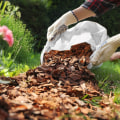
- Top Dressing: Apply a layer of compost on top of existing soil around established plants.
This method helps retain moisture and suppress weeds.
- Seed Starting: Use compost as a base for seed starting mixes. Its fine texture provides an ideal environment for seedlings to thrive.
Applying Compost
The application of compost can vary based on the specific needs of your garden:
- Timing: Apply compost in the spring or fall to allow it to integrate into the soil before planting seasons.
- Quantity: A general rule is to use about 1-2 inches of compost for top dressing or mix in 25% compost with existing soil for new beds.
- Technique: Spread compost evenly and lightly till it into the top few inches of soil to maximize its benefits.
Compost Tea Benefits
Another effective way to utilize compost is by making compost tea. This liquid fertilizer is rich in nutrients and beneficial microorganisms, making it an excellent addition to your sustainable gardening practices:
- Nutrient Boost: Compost tea provides a quick nutrient boost to plants, promoting vigorous growth.
- Pest Resistance: The beneficial microbes in compost tea can help plants resist pests and diseases.
- Soil Health: Regular application of compost tea can improve overall soil health, enhancing its ability to retain moisture and nutrients.
Common Challenges in Composting and Solutions
Composting is a vital component of sustainable garden practices, but it can come with its own set of challenges. Understanding these common issues and their solutions can help you maintain a healthy compost system.1.Odor Issues
One of the most frequent problems encountered in composting is unpleasant odors.This usually indicates an imbalance in the compost materials.
- Solution: Ensure a proper mix of green materials (nitrogen-rich) and brown materials (carbon-rich). A good ratio is about 2:1 of browns to greens. Additionally, turning the compost regularly can help aerate it and reduce odors.
2.Pests and Rodents
Pests such as fruit flies or rodents can be attracted to your compost pile, especially if food scraps are not managed properly.- Solution: Avoid adding meat, dairy, or oily foods to your compost. Instead, focus on vegetable scraps, coffee grounds, and yard waste.
Using a closed compost bin can also deter pests.
3.Slow Decomposition
If your compost is decomposing slowly, it may be due to insufficient moisture or lack of aeration.- Solution: Check the moisture level; the compost should feel like a damp sponge. If it's too dry, add water gradually. Turning the pile every few weeks will also introduce air and speed up the decomposition process.
4.Excessive Heat
A compost pile that becomes too hot can kill beneficial microorganisms essential for decomposition.- Solution: Monitor the temperature and ensure that your pile has adequate airflow. If it gets too hot, turn it more frequently to cool it down.
The Environmental Impact of Composting in Gardens
Incorporating composting into sustainable garden practices significantly enhances the environmental impact of gardening.One of the most notable benefits is the reduction of landfill waste. According to the Environmental Protection Agency (EPA), organic materials, including food scraps and yard waste, make up a substantial portion of what ends up in landfills. By composting these materials, gardeners can divert waste from landfills, thereby decreasing methane emissions—a potent greenhouse gas produced during the decomposition of organic matter in anaerobic conditions.Moreover, composting enriches soil health, which is crucial for sustainable gardening. When compost is added to garden soil, it improves its structure, aeration, and moisture retention.
This leads to healthier plants that require less water and fewer chemical fertilizers, further reducing the garden's overall environmental footprint. Healthy soil also supports a diverse ecosystem of microorganisms that contribute to nutrient cycling and plant growth.Another significant aspect of composting is its role in reducing carbon footprint. By creating a closed-loop system where organic waste is transformed into nutrient-rich compost, gardeners can minimize their reliance on synthetic fertilizers and pesticides that often have high carbon footprints associated with their production and transportation. This shift not only lowers greenhouse gas emissions but also promotes biodiversity in the garden.In summary, the environmental benefits of composting are profound.
By reducing landfill waste, enhancing soil health, and lowering carbon footprints, composting serves as a cornerstone of sustainable gardening. Gardeners who adopt this practice not only contribute to a healthier planet but also cultivate more resilient and productive gardens.
Case Studies: Successful Sustainable Gardens Using Composting
Composting has proven to be a cornerstone of sustainable garden practices, with numerous gardens around the world showcasing its benefits. Here are a few inspiring case studies that highlight how composting can transform gardening into a more sustainable endeavor.1.The Urban Garden Project in New York City
This community garden, located in the heart of Manhattan, has successfully integrated composting into its operations. By collecting organic waste from local restaurants and residents, the garden produces rich compost that enhances soil health.The result is a vibrant space that not only grows vegetables but also fosters community engagement and education about sustainable practices.
2.The Permaculture Garden in Oregon
A permaculture garden in Oregon exemplifies the synergy between composting and biodiversity. This garden utilizes a closed-loop system where kitchen scraps and yard waste are composted on-site. The compost is then used to nourish a variety of plants, including native species, which attract beneficial insects and pollinators. This approach not only reduces waste but also promotes ecological balance.3.The School Garden Initiative in California
In California, a school garden initiative has incorporated composting as a key educational tool.Students learn about the composting process by managing their own compost bins, which are filled with food scraps from the cafeteria. The finished compost is used to enrich the school’s vegetable beds, teaching children the importance of sustainable gardening while providing fresh produce for their meals.
4.The Organic Farm in Vermont
This organic farm has implemented a comprehensive composting system that processes waste from both farm operations and local sources. By creating high-quality compost, the farm enhances soil fertility and reduces reliance on chemical fertilizers. This practice not only supports sustainable crop production but also contributes to the overall health of the local ecosystem.These case studies illustrate that integrating composting into sustainable gardening practices can lead to remarkable outcomes, from improved soil health to enhanced community involvement.By learning from these real-life examples, aspiring gardeners can adopt similar strategies to create their own successful sustainable gardens.
Conclusion: Embracing Composting for a Sustainable Future
In conclusion, incorporating composting into sustainable garden practices is not just a trend; it is a vital step towards fostering a healthier ecosystem. Throughout this article, we have explored the myriad benefits of composting, from enriching soil health to reducing waste in landfills. By transforming organic materials into nutrient-rich compost, gardeners can significantly enhance the vitality of their plants while minimizing their environmental footprint.As we strive for sustainability, it is essential to recognize that every small action contributes to a larger impact. Composting allows gardeners to:- Reduce waste: By composting kitchen scraps and yard waste, we divert significant amounts of organic material from landfills.
- Improve soil quality: Compost enriches the soil with essential nutrients, promoting healthier plant growth and reducing the need for chemical fertilizers.
- Conserve water: Healthy soil retains moisture better, which means less frequent watering is required.
- Support biodiversity: Composting encourages beneficial microorganisms and insects that contribute to a balanced garden ecosystem.
Sharing knowledge about sustainable garden practices, including composting techniques, can create a ripple effect that promotes environmental stewardship.Ultimately, embracing composting is an investment in our planet's future. As we cultivate our gardens with care and responsibility, we not only nurture our plants but also contribute to a sustainable world for generations to come. Let us commit to making composting an integral part of our gardening practices and pave the way for a greener tomorrow.