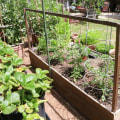
Sustainable gardening practices are essential for creating a harmonious relationship between our gardens and the environment. By focusing on methods that promote ecological balance, gardeners can cultivate their plants while minimizing negative impacts on the ecosystem. This approach not only enhances the health of the soil and plants but also contributes to biodiversity, making it a vital aspect of modern gardening. At the heart of sustainable gardening lies the principle of working with nature rather than against it. This means utilizing techniques that conserve resources, reduce waste, and promote natural pest control.
One such technique gaining popularity is intercropping, which involves growing two or more crops in close proximity for mutual benefit. This method exemplifies how sustainable garden practices can lead to increased yields, improved soil health, and reduced reliance on chemical fertilizers. The benefits of sustainable gardening extend beyond individual gardens; they contribute to larger environmental goals such as reducing carbon footprints and enhancing food security. By adopting sustainable practices, gardeners can play a crucial role in combating climate change and fostering resilient ecosystems. As we delve deeper into the various methods of sustainable gardening, intercropping will emerge as a key strategy that not only supports plant health but also aligns with the broader objectives of sustainability.
What is Intercropping?
Intercropping
is an agricultural practice that involves growing two or more crops in close proximity to each other.
This method is designed to maximize the use of space and resources, leading to a more productive and sustainable garden. By understanding the different types of intercropping and their benefits, gardeners can implement this technique effectively in their sustainable garden practices.
Types of Intercropping
- Row Intercropping: This involves planting two or more crops in alternating rows. For example, a gardener might plant corn in one row and beans in the next. This arrangement allows for efficient use of sunlight and nutrients.
- Mixed Intercropping: In this method, multiple crops are grown together without any specific row arrangement.
This can lead to a diverse ecosystem that supports beneficial insects and improves soil health.
- Strip Intercropping: This technique involves growing strips of different crops side by side. It helps in reducing soil erosion and can enhance pest control by attracting natural predators.
Benefits of Intercropping
- Diversity: Intercropping increases biodiversity, which can lead to healthier ecosystems and reduced pest outbreaks.
- Nutrient Utilization: Different crops have varying nutrient requirements, allowing them to utilize soil nutrients more efficiently when grown together.
- Pest Management: Certain crop combinations can deter pests naturally, reducing the need for chemical pesticides.
- Soil Health: The practice can improve soil structure and fertility through the addition of organic matter from diverse root systems.
Benefits of Intercropping in Sustainable Gardening
Intercropping, the practice of growing two or more crops in proximity, offers numerous benefits that align perfectly with sustainable garden practices. By diversifying plant species, gardeners can enhance their gardens' resilience and productivity.Improved Biodiversity
One of the primary advantages of intercropping is the promotion of biodiversity.When different plants are grown together, they create a more complex ecosystem that supports various organisms, from beneficial insects to soil microbes. This diversity can lead to a more balanced garden environment, reducing the likelihood of pest outbreaks and disease.
Pest Control
Intercropping can also serve as a natural pest control method. Certain plants can repel pests or attract beneficial insects that prey on harmful ones. For example, planting marigolds alongside vegetables can deter nematodes and other pests, minimizing the need for chemical pesticides.This not only protects the crops but also contributes to a healthier ecosystem.
Soil Health
Another significant benefit of intercropping is its positive impact on soil health. Different plants have varying root structures and nutrient requirements, which can lead to improved soil structure and fertility. Deep-rooted plants can help break up compacted soil, while nitrogen-fixing legumes can enrich the soil with essential nutrients. This natural enhancement reduces the need for synthetic fertilizers, promoting a more sustainable approach to gardening.Resource Efficiency
Intercropping also maximizes resource use efficiency.By utilizing space effectively, gardeners can achieve higher yields from smaller areas. This is particularly beneficial in urban gardening settings where space is limited. Additionally, intercropped systems often require less water due to improved moisture retention in the soil. In conclusion, the advantages of intercropping extend beyond mere crop yield; they encompass ecological balance, pest management, and enhanced soil health. By incorporating intercropping into their gardening practices, gardeners not only contribute to sustainable agriculture but also create thriving ecosystems that benefit both plants and wildlife.
How to Implement Intercropping in Your Garden
Implementing intercropping in your garden can significantly enhance your sustainable garden practices.Here are some practical steps and techniques to get you started:
- Choose Compatible Plants: Select plants that complement each other. For example, pairing nitrogen-fixing legumes like peas or beans with heavy feeders such as corn can improve soil fertility and maximize space.
- Plan Your Layout: Design your garden layout to accommodate different growth habits. Taller plants should be placed on the north side to avoid shading shorter plants. Consider using a grid or block planting method to optimize space.
- Stagger Planting Times: To ensure continuous harvests and reduce competition for resources, stagger the planting times of your crops.
For instance, plant fast-growing radishes alongside slower-growing carrots.
- Utilize Vertical Space: Incorporate vertical gardening techniques by using trellises for climbing plants like cucumbers or pole beans. This not only saves ground space but also improves air circulation and sunlight exposure.
- Monitor Soil Health: Regularly check soil moisture and nutrient levels. Intercropping can lead to increased nutrient uptake, so it’s essential to maintain healthy soil through composting and mulching.
Choosing the Right Plants for Intercropping
When it comes to sustainable garden practices, selecting the right plants for intercropping is crucial for maximizing benefits and ensuring a thriving ecosystem.The key is to choose plants that complement each other, enhancing growth while minimizing pests and diseases.
Best Plants for Intercropping
Some of the best plants for intercropping include:- Legumes: Beans and peas are excellent choices as they fix nitrogen in the soil, benefiting neighboring plants.
- Leafy Greens: Spinach and lettuce grow quickly and can thrive in the shade provided by taller plants.
- Herbs: Basil and cilantro can repel pests while attracting beneficial insects, making them ideal companions.
- Root Vegetables: Carrots and radishes can be planted alongside larger crops, utilizing different soil layers.
Companion Planting Principles
Understanding companion planting principles can guide your choices. For instance, planting tomatoes with basil not only enhances flavor but also helps deter pests like aphids. Similarly, marigolds are known to repel nematodes and can be interplanted with various vegetables.Plant Combinations for Intercropping
Here are some effective plant combinations for intercropping:- Corn, Beans, and Squash: Known as the "Three Sisters," this combination utilizes vertical space effectively while providing mutual benefits.
- Cabbage and Dill: Dill attracts beneficial insects that help control cabbage pests.
- Onions and Carrots: Onions deter carrot flies, while carrots do not compete for nutrients with onions.
Common Challenges and Solutions in Intercropping
Intercropping can significantly enhance sustainable garden practices, but it is not without its challenges.Understanding these potential issues and their solutions is crucial for gardeners looking to implement this method effectively.
Common Challenges in Intercropping
- Competition for Resources: Different plants may compete for sunlight, water, and nutrients, which can hinder growth.
- Pest Management: While intercropping can reduce pest populations, it can also create habitats for certain pests that thrive in mixed environments.
- Disease Spread: Some crops may be more susceptible to diseases that can spread quickly in a diverse planting.
- Complexity in Planning: Designing an effective intercropping system requires careful planning and knowledge of plant compatibility.
Solutions for Intercropping Issues
- Resource Management: To mitigate competition, select plants with different root depths or growth habits. For example, pairing deep-rooted plants with shallow-rooted ones can optimize nutrient uptake.
- Pest Control Strategies: Introduce beneficial insects or companion plants that deter pests. Regular monitoring and organic pest control methods can also help maintain a healthy garden ecosystem.
- Disease Prevention: Rotate crops regularly and choose disease-resistant varieties to minimize the risk of outbreaks. Maintaining good air circulation and proper spacing can also reduce disease spread.
- Effective Planning: Research compatible plant pairings and consider using planting guides or apps designed for intercropping.
Keeping detailed records of plant performance can help refine future planting strategies.
Case Studies: Successful Intercropping Examples
Intercropping has been successfully implemented in various sustainable gardening practices around the world, showcasing its potential to enhance biodiversity, improve soil health, and increase crop yields. Here are some notable case studies that illustrate the effectiveness of intercropping:1.The Three Sisters: A Native American Tradition
The Three Sisters method involves planting corn, beans, and squash together. This ancient practice not only maximizes space but also promotes a symbiotic relationship among the plants. Corn provides a natural support for beans to climb, while beans fix nitrogen in the soil, benefiting all three crops.Squash, with its broad leaves, helps suppress weeds and retain soil moisture. This intercropping technique has been used for centuries and continues to be a model for sustainable gardening.
2.Agroforestry in Brazil
In Brazil, farmers have adopted agroforestry systems that combine fruit trees with annual crops like cassava and maize. This approach not only diversifies income sources but also enhances soil fertility and reduces erosion. The trees provide shade and habitat for beneficial insects, while the annual crops benefit from the improved microclimate created by the trees.This successful integration demonstrates how intercropping can lead to more resilient agricultural systems.
3.Organic Vegetable Farms in California
Several organic vegetable farms in California have implemented intercropping strategies to optimize their production. For instance, planting carrots alongside onions has proven effective; onions repel pests that typically target carrots, reducing the need for chemical pesticides. Additionally, farmers have reported increased yields and improved pest management through these intercropping practices.4.Community Gardens in Urban Areas
Urban community gardens have also embraced intercropping as a means to maximize limited space. For example, planting herbs like basil alongside tomatoes not only enhances flavor but also attracts pollinators and beneficial insects.These gardens serve as a model for sustainable practices in urban settings, demonstrating that intercropping can thrive even in small spaces.These real-life examples highlight the versatility and effectiveness of intercropping as a sustainable gardening practice. By learning from these case studies, gardeners can adopt similar strategies to enhance their own gardens while contributing to environmental sustainability.
Frequently Asked Questions about Intercropping and Sustainable Gardening
Intercropping is a sustainable gardening practice that involves growing two or more crops in proximity for various benefits. Here are some frequently asked questions about intercropping and its role in sustainable gardening:What is intercropping?
Intercropping is the agricultural practice of planting different crops in the same area at the same time. This method can enhance biodiversity, improve soil health, and increase overall yield.How does intercropping contribute to sustainability?
By promoting biodiversity, intercropping helps create a more resilient ecosystem.It can reduce the need for chemical fertilizers and pesticides, as diverse plant species can naturally deter pests and improve soil fertility.
What are some common intercropping combinations?
- Corn and beans: Beans fix nitrogen in the soil, benefiting corn.
- Carrots and onions: Onions repel pests that commonly affect carrots.
- Tomatoes and basil: Basil can enhance the flavor of tomatoes while repelling harmful insects.
Can intercropping improve crop yields?
Yes, intercropping can lead to higher yields compared to monoculture systems. By utilizing different growth habits and nutrient needs, crops can complement each other, maximizing space and resources.Are there any challenges to intercropping?
While intercropping has many benefits, it can also present challenges such as competition for resources among plants. Careful planning is essential to ensure that the crops selected will thrive together without hindering each other's growth.How can I start intercropping in my garden?
To begin intercropping, assess your garden space and choose compatible plants. Start with a small area to experiment with different combinations, observing how they interact and adjusting as necessary for optimal growth. Incorporating sustainable garden practices, such as intercropping, not only enhances your garden's productivity but also contributes positively to the environment by fostering biodiversity and reducing chemical inputs.Conclusion: The Future of Sustainable Gardening with Intercropping
As we look towards the future of sustainable gardening practices, the integration of intercropping stands out as a pivotal strategy.This method not only enhances biodiversity but also promotes soil health and pest management, making it an essential component of any sustainable garden.Throughout this article, we have explored how intercropping can:
- Maximize space by allowing gardeners to grow multiple crops in the same area, leading to higher yields.
- Improve soil fertility through the natural nitrogen-fixing abilities of certain plants, reducing the need for synthetic fertilizers.
- Enhance pest control by creating a more complex ecosystem that attracts beneficial insects and deters harmful pests.
- Conserve water by utilizing companion plants that help retain moisture in the soil.
Start small by experimenting with intercropping in your own garden and observe the positive changes it brings. Together, we can cultivate a more sustainable future for our gardens and our planet.