In an era where environmental concerns are at the forefront of global discussions, sustainable gardening practices have emerged as a vital approach to cultivating plants while preserving the ecosystem. This method not only focuses on growing healthy plants but also emphasizes the importance of maintaining soil health, conserving water, and promoting biodiversity. By adopting these practices, gardeners can create a thriving environment that benefits both their gardens and the planet. Sustainable gardening is more than just a trend; it is a necessary shift towards responsible land management. Traditional gardening methods often rely heavily on chemical pesticides and fertilizers, which can lead to soil degradation, water pollution, and harm to beneficial insects.
In contrast, sustainable gardening encourages the use of natural alternatives that enhance plant growth without compromising environmental integrity. This holistic approach fosters a deeper connection between gardeners and their surroundings, promoting a sense of stewardship for the earth. The benefits of sustainable gardening extend beyond environmental impact. By implementing these practices, gardeners can enjoy healthier produce, reduced costs associated with chemical inputs, and a more resilient garden ecosystem. As we delve into the various alternatives to chemical pesticides, it becomes clear that sustainable gardening not only supports personal health but also contributes to the well-being of our planet.
The Impact of Chemical Pesticides on the Environment
The use of chemical pesticides has become a common practice in modern agriculture, but their impact on the environment is profound and often detrimental.These substances are designed to eliminate pests, yet they can also harm non-target organisms, including beneficial insects, birds, and aquatic life.
Effects on Ecosystems:
Chemical pesticides can disrupt the delicate balance of ecosystems. For instance, when pesticides are applied, they can lead to a decline in biodiversity. Beneficial insects such as bees and ladybugs, which play crucial roles in pollination and pest control, are often affected. This decline can result in a cascading effect throughout the food chain, ultimately impacting larger wildlife and plant communities.Human Health Risks:
The dangers of chemical pesticides extend beyond the environment; they pose significant risks to human health as well.Exposure to these chemicals has been linked to various health issues, including respiratory problems, skin irritations, and even long-term effects such as cancer. Farmworkers and those living near agricultural areas are particularly vulnerable to these risks.
Water Contamination:
Another critical concern is the contamination of water sources. When it rains or when pesticides are applied improperly, these chemicals can leach into nearby rivers, lakes, and groundwater. This not only affects aquatic ecosystems but also poses a risk to drinking water supplies for humans and wildlife alike.In summary, while chemical pesticides may offer short-term solutions for pest control, their long-term effects on the environment and human health are alarming.Understanding these impacts is essential for anyone interested in adopting sustainable garden practices. By recognizing the dangers associated with chemical pesticides, gardeners can better appreciate the need for safer alternatives that promote ecological balance and protect both our health and the planet.
Natural Pest Control Methods
Incorporating natural pest control methods into your garden can significantly enhance the health of your plants while promoting a sustainable ecosystem. Here are some effective strategies to consider:- Beneficial Insects: Attracting beneficial insects such as ladybugs, lacewings, and parasitic wasps can help keep pest populations in check. These insects prey on common garden pests like aphids and caterpillars.
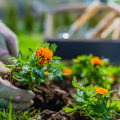
To attract them, plant flowers such as marigolds, dill, and yarrow.
- Companion Planting: This technique involves planting certain crops together to naturally deter pests. For example, planting basil near tomatoes can repel tomato hornworms, while marigolds can deter nematodes and other harmful insects. Research which plants work well together to maximize your garden's defenses.
- Organic Solutions: Utilize organic pest management solutions like neem oil, insecticidal soap, or diatomaceous earth. These products are derived from natural sources and can effectively manage pest populations without harming beneficial insects or the environment.
- Physical Barriers: Employing physical barriers such as row covers or insect netting can protect your plants from pests while allowing sunlight and moisture to reach them.
This method is particularly useful for young seedlings that are vulnerable to insect damage.
Cultural Practices for Pest Management
Implementing cultural practices is a cornerstone of effective pest management in a sustainable garden. These techniques not only help in controlling pest populations but also enhance the overall health of the garden ecosystem.Crop Rotation
Crop rotation is one of the most effective cultural practices for managing pests. By changing the types of crops grown in a specific area each season, gardeners can disrupt the life cycles of pests that thrive on particular plants.For instance, if you plant tomatoes in one area this year, consider planting legumes or grains in that same spot next year. This practice not only reduces pest populations but also improves soil fertility and structure.
Intercropping
Intercropping, or growing two or more crops in proximity, can also deter pests. Certain plants can repel pests or attract beneficial insects that prey on harmful ones. For example, planting marigolds alongside vegetables can help keep nematodes at bay while attracting pollinators.This method promotes biodiversity and creates a more resilient garden.
Proper Sanitation
Maintaining proper sanitation in the garden is crucial for preventing pest infestations. Regularly removing debris, fallen fruits, and dead plants can eliminate potential breeding grounds for pests. Additionally, cleaning tools and equipment helps prevent the spread of diseases and pests from one area to another.Incorporating these sustainable gardening techniques not only minimizes reliance on chemical pesticides but also fosters a healthier environment for plants and beneficial organisms alike. By understanding and applying these cultural practices, gardeners can create a thriving ecosystem that supports both plant health and pest management.Physical Barriers and Traps
Implementing physical barriers and traps is an effective way to manage pests in a sustainable garden.These methods not only protect your plants but also minimize the need for chemical interventions, promoting a healthier ecosystem.
Physical Pest Barriers
One of the simplest yet most effective strategies is to use row covers. These lightweight fabrics can be draped over plants to create a protective shield against insects while allowing sunlight and moisture to penetrate. They are particularly useful for shielding young seedlings from pests like aphids and cabbage worms.Garden nets
are another excellent option. These nets can be placed over fruit trees or vegetable patches to prevent birds and larger insects from accessing the plants.Ensure that the nets are securely anchored to the ground to prevent pests from sneaking underneath.
Traps for Garden Pests
In addition to barriers, various traps can effectively reduce pest populations. For instance, sticky traps can be placed around the garden to catch flying insects such as whiteflies and fungus gnats. These traps are coated with a sticky substance that lures pests in and prevents them from escaping.Beer traps
are another popular method for controlling slugs and snails. Simply bury a container in the soil so that its rim is level with the ground and fill it with beer.The scent attracts these pests, leading them to their demise.Lastly, consider using pheromone traps, which attract specific pests by mimicking their natural scents. These traps can help monitor pest populations and reduce their numbers without harming beneficial insects.By incorporating these sustainable pest control methods, you can create a thriving garden that minimizes environmental impact while effectively managing pest issues.
Using Organic Pesticides as a Last Resort
In a sustainable garden, the use of pesticides should always be approached with caution. When all other methods of pest control have been exhausted, organic pesticides can serve as a viable option. These natural alternatives are derived from plant or mineral sources and are designed to minimize harm to beneficial insects, humans, and the environment.Benefits of Organic Pesticides
- Environmentally Friendly: Organic pesticides break down more quickly in the environment compared to their synthetic counterparts, reducing long-term ecological impact.
- Safety: Many organic options are safe for use around pets and children, making them a preferred choice for home gardeners.
- Targeted Action: Organic pesticides often target specific pests without harming beneficial insects, allowing for a balanced ecosystem within your garden.
Common Types of Organic Pesticides
- Neem Oil: Extracted from the seeds of the neem tree, this natural insecticide disrupts the life cycle of pests and is effective against a variety of insects.
- Diatomaceous Earth: This powdery substance is made from fossilized algae and works by dehydrating insects that come into contact with it.
- Insecticidal Soap: Made from natural plant oils and fats, this soap suffocates soft-bodied insects like aphids and spider mites.
Limitations of Organic Pesticides
- Efficacy: While organic pesticides can be effective, they may not work as quickly or thoroughly as synthetic options, requiring multiple applications.
- Specificity: Some organic pesticides are only effective against certain types of pests, necessitating careful identification before application.
- Resistance: Just like synthetic pesticides, pests can develop resistance to organic options over time, making it essential to rotate products and integrate other pest management strategies.
By prioritizing integrated pest management techniques and understanding the benefits and limitations of these natural solutions, gardeners can protect their plants while promoting a healthier ecosystem.
Integrating Companion Planting Strategies
Companion planting is a sustainable gardening strategy that involves growing different plants in proximity for mutual benefits. This practice not only enhances plant growth but also helps in pest control, making it an effective alternative to chemical pesticides.One of the primary companion planting benefits is the natural deterrence of pests. Certain plants can repel harmful insects or attract beneficial ones, creating a balanced ecosystem in your garden. For instance, marigolds are known to repel nematodes and aphids, while basil can deter flies and mosquitoes when planted alongside tomatoes.- Tomatoes and Basil: This classic combination not only enhances the flavor of tomatoes but also helps in repelling pests like whiteflies.
- Cabbage and Dill: Dill attracts beneficial insects such as ladybugs, which prey on cabbage worms.
- Carrots and Onions: The strong scent of onions can help mask the smell of carrots, deterring carrot flies.
- Research Plant Compatibility: Not all plants thrive together.
Research which plants benefit each other and which may compete for resources.
- Plan Your Layout: Group compatible plants together to maximize their benefits. For example, plant flowers that attract pollinators near your vegetable crops.
- Rotate Crops Annually: To prevent soil depletion and pest buildup, rotate your companion plants each growing season.
Frequently Asked Questions about Sustainable Pest Management
When it comes to sustainable garden practices, many gardeners have questions about how to effectively manage pests without relying on chemical pesticides. Here are some frequently asked questions that can help clarify sustainable pest management strategies.What are the benefits of using organic pest control methods?
Organic pest control methods are beneficial for several reasons:- Environmental Safety: They minimize harm to beneficial insects, wildlife, and the surrounding ecosystem.
- Soil Health: Organic methods often improve soil quality and promote biodiversity.
- Human Health: Reducing chemical exposure is safer for gardeners and consumers alike.
How can I prevent pests in my garden naturally?
Preventing pests naturally involves a combination of practices:- Crop Rotation: Changing the location of your plants each season can disrupt pest life cycles.
- Companion Planting: Certain plants can repel pests or attract beneficial insects that prey on them.
- Physical Barriers: Using row covers or nets can protect plants from insect damage.
What are some effective organic pest control options?
There are several organic options available for pest control:- Nematodes: Beneficial nematodes can target soil-dwelling pests without harming plants.
- Insecticidal Soap: This is effective against soft-bodied insects like aphids and spider mites.
- Diatomaceous Earth: A natural powder that can deter crawling insects by damaging their exoskeletons.
Conclusion: Embracing Sustainable Practices in Your Garden
In conclusion, adopting sustainable garden practices is not just a trend; it is a necessary shift towards a healthier planet and a more resilient ecosystem.By implementing alternatives to chemical pesticides, gardeners can significantly reduce their environmental footprint while promoting biodiversity and soil health.Throughout this article, we explored various methods that can replace harmful chemicals, such as:
- Companion planting, which utilizes the natural relationships between plants to deter pests and enhance growth.
- Natural predators, like ladybugs and lacewings, that can help control pest populations without the need for synthetic chemicals.
- Organic solutions, including neem oil and insecticidal soaps, that provide effective pest management while being safe for beneficial insects.
- Cultural practices, such as crop rotation and proper sanitation, which can prevent pest outbreaks and promote plant health.