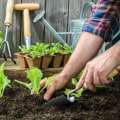
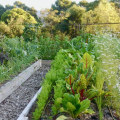
Sustainable garden practices are essential for maintaining a healthy and thriving yard throughout the year. By focusing on long-term environmental balance, homeowners can reduce waste, conserve resources, and create outdoor spaces that are both productive and visually appealing. Sustainable gardening begins with understanding the natural conditions of your yard, including soil quality, climate, and plant compatibility. Choosing native or climate-adapted plants is a key step, as these varieties require less water, fertilizer, and maintenance while supporting local ecosystems.
Efficient Water Management Techniques
Water conservation plays a major role in sustainable yard care. Implementing efficient irrigation methods such as drip systems or soaker hoses helps deliver water directly to plant roots, minimizing waste and evaporation. Collecting rainwater in barrels is another effective strategy that reduces reliance on municipal water sources. Mulching garden beds helps retain soil moisture, regulate temperature, and suppress weed growth, further enhancing water efficiency. These practices ensure that plants receive the moisture they need without overusing valuable resources.
Soil Health and Natural Fertilization
Healthy soil is the foundation of a successful garden. Sustainable practices focus on improving soil structure and nutrient content through natural methods. Composting kitchen scraps and yard waste creates nutrient-rich material that can be returned to the soil, reducing the need for chemical fertilizers. Crop rotation and cover planting also help maintain soil fertility and prevent erosion. By nurturing the soil, gardeners can support stronger plant growth and improve the overall resilience of their yard.
Using Eco-Friendly Equipment and Maintenance
Maintaining a sustainable garden also involves using equipment responsibly. Regular upkeep of tools ensures they operate efficiently and reduce unnecessary energy consumption. Keeping mowers, trimmers, and other small engines in good condition helps minimize emissions and extend their lifespan. For homeowners looking to maintain their equipment, it’s beneficial to schedule a small engine repair in Umatilla when needed, ensuring tools remain reliable and eco-friendly. Properly maintained equipment not only supports sustainability but also makes yard care tasks easier and more effective.
Encouraging Biodiversity in the Garden
A sustainable yard supports a diverse range of plants, insects, and wildlife. Incorporating a variety of plant species creates habitats for pollinators such as bees and butterflies, which are essential for plant reproduction. Avoiding chemical pesticides and opting for natural pest control methods helps protect beneficial organisms while maintaining ecological balance. Adding features like bird feeders, water sources, or native plant beds can further enhance biodiversity and contribute to a healthier environment.
Consistent Year-Round Care Practices
Sustainability is an ongoing process that requires consistent attention throughout the year. Seasonal tasks such as pruning, planting, and soil preparation should be planned to align with natural growth cycles. Regular monitoring of plant health and soil conditions helps identify issues early, allowing for timely intervention. By maintaining a steady routine, gardeners can ensure that their yard remains productive and resilient in all seasons.
Conclusion
Sustainable garden practices provide a practical and environmentally responsible approach to year-round yard care. By focusing on water efficiency, soil health, equipment maintenance, and biodiversity, homeowners can create outdoor spaces that are both beautiful and sustainable. With thoughtful planning and consistent effort, it’s possible to achieve long-term success while supporting the health of the environment.